


 English

Filler Granulomas: What Causes Them and How Are They Treated?
|
Key Takeaways • A filler granuloma is a firm lump that forms when the immune system walls off filler material with a cluster of inflammatory cells. It is uncommon but can appear months or even years after treatment. • Granulomas are different from early lumps caused by swelling or uneven filler placement, and they need a different treatment approach. • Common symptoms include firm, sometimes tender nodules, redness and swelling that may come and go, often triggered by illness, dental work or other immune triggers. • Treatment depends on the type of filler. HA filler granulomas can often be dissolved with hyaluronidase, while non-dissolvable fillers may need steroid injections, other medication or physical extraction. • Knowing exactly what filler was used, and when, makes diagnosis and treatment much easier. |
Most people who have dermal filler never experience a serious problem. But a small number develop firm lumps that appear long after the treatment, sometimes after they have almost forgotten about it. One possible cause is a filler granuloma.
Granulomas can be worrying because they appear unexpectedly, can flare up and settle repeatedly, and do not always respond to simple measures. The good news is that they can be treated, especially when diagnosed early and when the type of filler is known. This guide explains what filler granulomas are, why they happen, how to recognise them and what filler granuloma treatment involves.
What Is a Filler Granuloma?
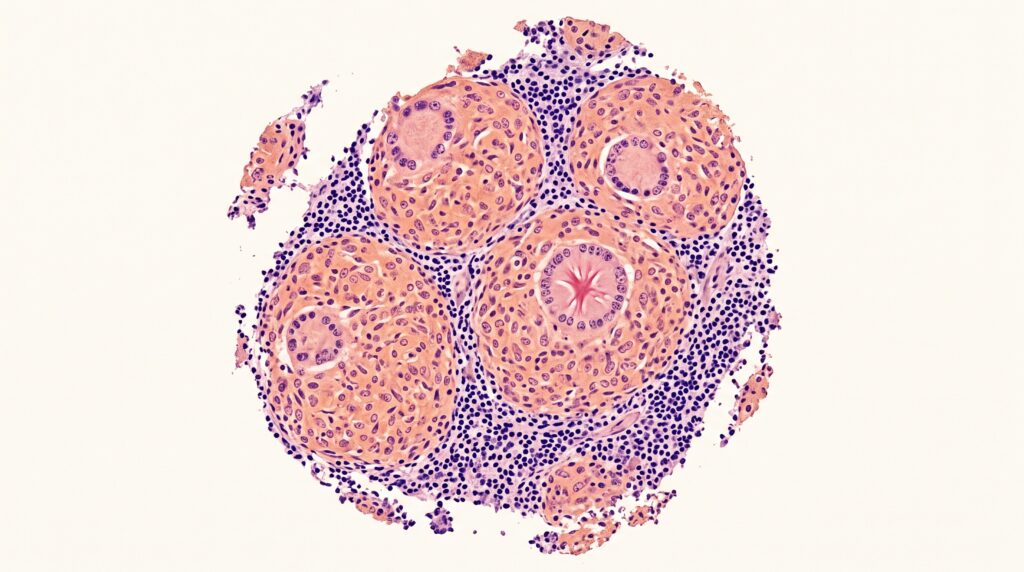
A granuloma is the body’s way of dealing with something it sees as foreign but cannot easily remove. Immune cells gather around the material and form a tight, organised cluster. Over time, this cluster can become a firm, palpable lump.
In the case of a dermal filler granuloma, the foreign material is the filler. The reaction can happen with many types of filler, though it is generally reported less often with hyaluronic acid (HA) filler than with permanent or semi-permanent materials. Granulomas are considered uncommon, and published estimates vary widely depending on the product and how cases are defined.
Filler Granuloma vs Other Lumps After Filler
Not every lump is a granuloma. It helps to understand the different types:
| Type of Lump | Typical Timing | Features |
|---|---|---|
| Swelling or uneven settling | First 1 to 2 weeks | Soft or slightly firm, improves day by day |
| Product collection (non-inflammatory nodule) | Noticed early, stays the same | Firm, painless, no redness, often from superficial placement |
| Infection or biofilm | Days to months | Red, warm, tender, may have pus, sometimes fever |
| Granuloma | Usually months to years later | Firm, may be tender, swelling and redness that can flare and settle |
Because these can look similar, a proper assessment is important before any treatment is started.
What Causes Filler Granulomas?

The exact reason one person develops a granuloma and another does not is not fully understood. Several factors are thought to play a role:
- The filler material: Permanent and long-lasting fillers, such as liquid silicone and certain particle-based products, are more likely to trigger granulomas. HA filler carries a lower risk.
- Impurities or unregistered products: Poorly manufactured or unregistered fillers may contain impurities that provoke a stronger immune response.
- Immune triggers: Granuloma flare-ups often follow a viral illness, dental treatment, a vaccination or another event that activates the immune system.
- Low-grade infection or biofilm: Bacteria can form a protective layer on the filler, causing persistent low-level inflammation.
- Large volumes and repeated layering: Multiple top-ups over years can leave a larger amount of material for the immune system to react to.
- Individual immune response: Some people simply react more strongly to foreign material.
| DOCTOR’S INSIGHT
“A common story in my consultations is a patient who had filler a year or two earlier, catches a bad flu or has dental work, and then notices swelling and firm lumps in the treated area. Many of them have no record of what product was injected, especially if it was done outside a clinic. That missing information is often what slows down treatment the most.” Dr. Deeban Ramasamy, Premier Clinic KL City, TTDI & Puchong |
What Are the Symptoms of a Filler Granuloma?
Symptoms of a granuloma after filler treatment can include:
- Firm or hard lumps under the skin in an area previously treated with filler
- Lumps that appear months or years after treatment
- Redness, swelling or a purplish discolouration over the lump
- Tenderness, or occasionally pain
- Swelling that flares up and settles repeatedly, sometimes after illness
- Lumps in more than one treated area at the same time
If you notice these symptoms, see a doctor experienced in filler complications. Avoid squeezing or massaging the lumps, and do not try home remedies that involve heat or pressure.
| OUR PATIENT’S EXPERIENCE
I had under-eye filler about 18 months ago. After a bad bout of flu, I developed swelling and firmness under both eyes that did not settle after a week. The filler record showed it was HA, so I was treated with hyaluronidase and a short course of antibiotics. The swelling went down gradually over a few weeks, though there is slight firmness on one side that I am monitoring. Madam Yap, 42 |
When Should You See a Doctor for a Lump After Filler?
A new lump appearing weeks, months or years after dermal filler treatment should be assessed by a qualified medical practitioner. Although a delayed lump may be caused by inflammation or a granuloma, other possibilities include infection, filler deposits and different tissue reactions.
Arrange a medical assessment if you notice:
- A firm lump that persists or gradually becomes larger
- Recurrent swelling, redness or tenderness around a previously treated area
- A lump that develops long after the original filler treatment
- Changes in the appearance or texture of an area previously treated with filler
Seek urgent medical attention if you develop:
- Rapidly worsening pain, swelling or redness, particularly with fever or feeling unwell
- Spreading skin discolouration, blistering or signs of tissue damage
- Sudden changes in vision or severe unusual symptoms following a filler procedure
Do not squeeze, massage or attempt to treat an unexplained lump yourself. Some lumps require treatment, while others may be monitored after assessment.
Early medical evaluation helps identify the likely cause and determine whether imaging, further tests or treatment is appropriate.
How Are Filler Granulomas Diagnosed?

Diagnosis usually involves a combination of:
- Detailed history: When and where the filler was done, which product, how much, and what happened before the lump appeared
- Physical examination: Checking the size, firmness, tenderness and location of the lumps
- Ultrasound imaging: Helps show where the filler sits, how much is present and whether there are features of inflammation or fluid
- Laboratory tests: In some cases, a sample may be taken to check for infection
- Biopsy: Occasionally used when the diagnosis is uncertain or the lump does not respond to treatment
| DOCTOR’S INSIGHT
“I prefer to see where the product actually is before I treat it. Ultrasound often shows more than one type of filler sitting in different layers, especially in patients who have been treated at several places over the years. Treating the HA part and leaving a biostimulator untouched, or the other way around, explains why some lumps only partly improve.” Dr. Foo Wing Jian, Premier Clinic Mont Kiara |
Filler Granuloma Treatment Options
Treatment depends on the type of filler, how active the inflammation is and how long the granuloma has been present. Often, more than one approach is combined.
Dissolving HA Filler
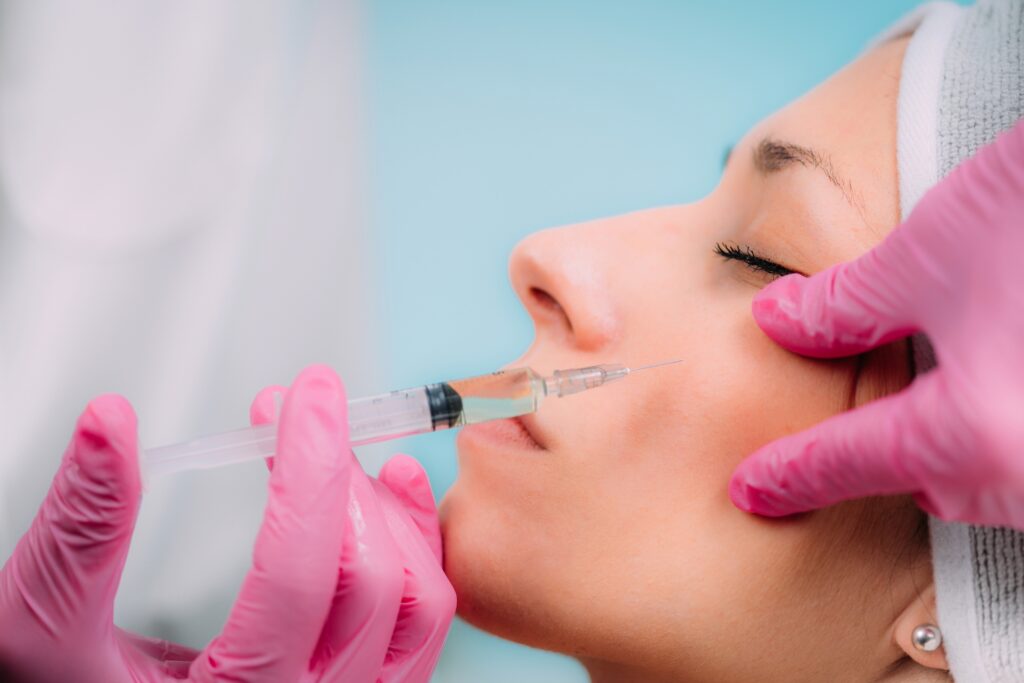
If the granuloma involves HA filler, the enzyme hyaluronidase can break down the filler so the immune system has less material to react to. This is usually the first step for HA-related granulomas and may need to be repeated.
Anti-Inflammatory Injections
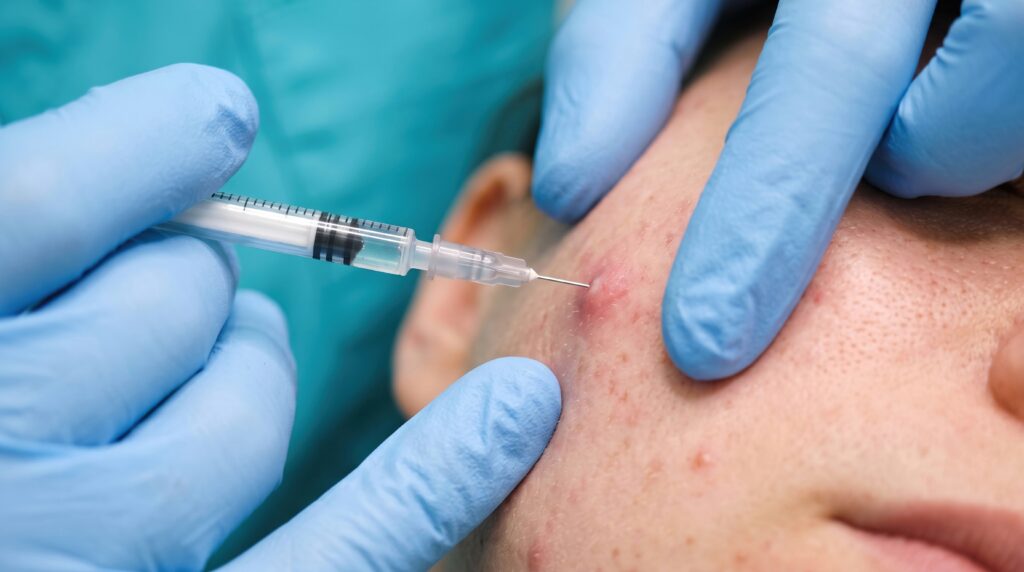
Intralesional steroid injections, where a small amount of steroid is injected directly into the lump, can calm the immune reaction and shrink the granuloma. Other medications are sometimes added for stubborn cases. These injections need careful dosing, as too much can thin the skin above the lump.
Antibiotics
If infection or biofilm is suspected, a course of antibiotics is often given, sometimes before or alongside other treatments. Antibiotics with anti-inflammatory properties are sometimes used for longer courses.
Oral Medication
For widespread or recurrent granulomas, a short course of oral steroids or other anti-inflammatory medication may be considered under close medical supervision.
Extraction of Non-Dissolvable Fillers
Collagen-stimulating fillers such as Sculptra (PLLA), Radiesse (CaHA) and Ellanse (PCL) cannot be dissolved with hyaluronidase. When they form persistent granulomas or lumps, a minimally invasive extraction procedure may be needed to physically remove the material through a small entry point. In some cases, especially with old silicone injections, surgical removal may be considered.
Filler Granulomas From Unknown or Permanent Fillers in Malaysia

Two patterns make granulomas more complicated for some Malaysian patients:
- Treatments outside medical settings: Fillers done at beauty salons, home-based services or through social media sellers often come without any record of the product used.
- Older liquid silicone injections: Some older patients received silicone injections many years ago. Silicone cannot be dissolved, and granulomas can appear decades later.
In Malaysia, fillers should be products registered with the Medical Device Authority, and doctors performing aesthetic procedures should hold a Letter of Credentialing and Privileging (LCP) from the Ministry of Health.
| OUR PATIENT’S EXPERIENCE
I had cheek injections more than ten years ago from someone who came to the house, and I never knew what was used. Hard lumps have appeared and turn red from time to time. The doctor suspected a permanent material that cannot be dissolved. Steroid injections calmed the swelling, and the next step is a discussion about whether removal is worthwhile. Madam Rosnah, 55 |
How Long Does Filler Granuloma Treatment Take?
Granuloma treatment is rarely a one-visit fix. Many patients need several sessions over weeks to months, with reviews in between to check how the lumps are responding. Some residual firmness may remain even after successful treatment.
| DOCTOR’S INSIGHT
“Patients often hope one injection will make the lump disappear. With granulomas, I explain at the start that we may need several sessions spaced weeks apart, and that the aim is to settle the inflammation and reduce the lump, not always to remove every trace. Knowing this early helps patients stay with the plan instead of seeking a quick fix elsewhere.” Dr. Keerthana Shukdesh, Premier Clinic TTDI, Bangsar & Puchong |
Can Filler Granulomas Be Prevented?
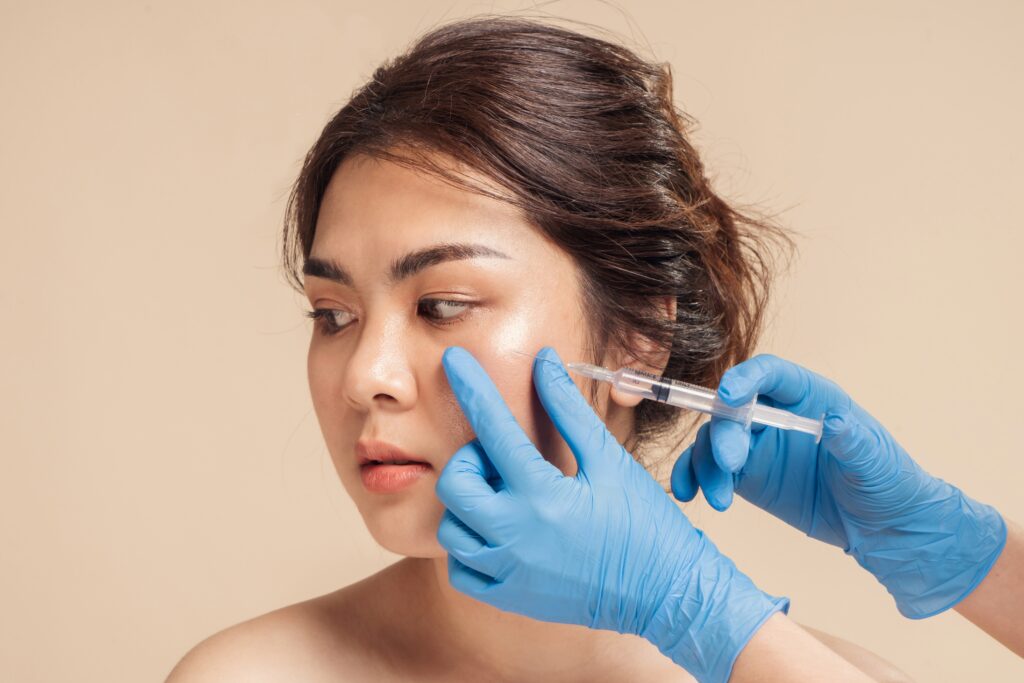
The risk cannot be removed completely, but it can be lowered:
- Choose a credentialed doctor in a licensed medical clinic
- Ask for the name of the filler used and keep a record of every treatment
- Prefer HA filler where suitable, as it can be dissolved
- Avoid stacking repeated top-ups without a doctor reassessing what is already there
- Tell your doctor about upcoming dental work, vaccinations or recent illness, and avoid filler treatment while unwell
- Report any lumps, redness or swelling early
Final Thoughts: Managing Filler Granulomas Safely
Filler granulomas are uncommon, but they can be stressful because they appear unexpectedly and may flare up repeatedly. Early assessment, knowing which filler was used and a treatment plan matched to the material give the best chance of a good result. For more on correction approaches, you can read about how to reverse filler complications.
If you have firm lumps in an area previously treated with filler, the doctors at Premier Clinic can assess the cause and discuss filler granuloma treatment options, including dissolving and extraction where appropriate.
Frequently Asked Questions
How long after filler can a granuloma appear?
Granulomas usually appear months to years after treatment, rather than in the first few weeks. Some cases have been reported many years later, especially with permanent fillers such as silicone.
Are filler granulomas dangerous?
They are not usually life-threatening, but they can be uncomfortable, affect appearance and flare up repeatedly. Untreated infection or significant inflammation should be assessed promptly.
Can a filler granuloma go away on its own?
Some mild inflammatory reactions settle with time, but true granulomas often persist or recur without treatment. Early assessment usually leads to a simpler treatment plan.
Does hyaluronidase work on all filler granulomas?
No. Hyaluronidase only breaks down hyaluronic acid filler. Granulomas caused by other materials, such as PLLA, CaHA, PCL or silicone, need different treatments such as steroid injections, medication or extraction.
Can I have filler again after a granuloma?
Possibly, but it needs careful discussion with your doctor. Many doctors recommend waiting until the granuloma has fully settled, choosing an HA filler and using smaller amounts. Some patients are advised to avoid filler in the affected area.