


 English

Ultherapy vs HIFU: Key Differences in Ultrasound Lifting
KEY TAKEAWAYS
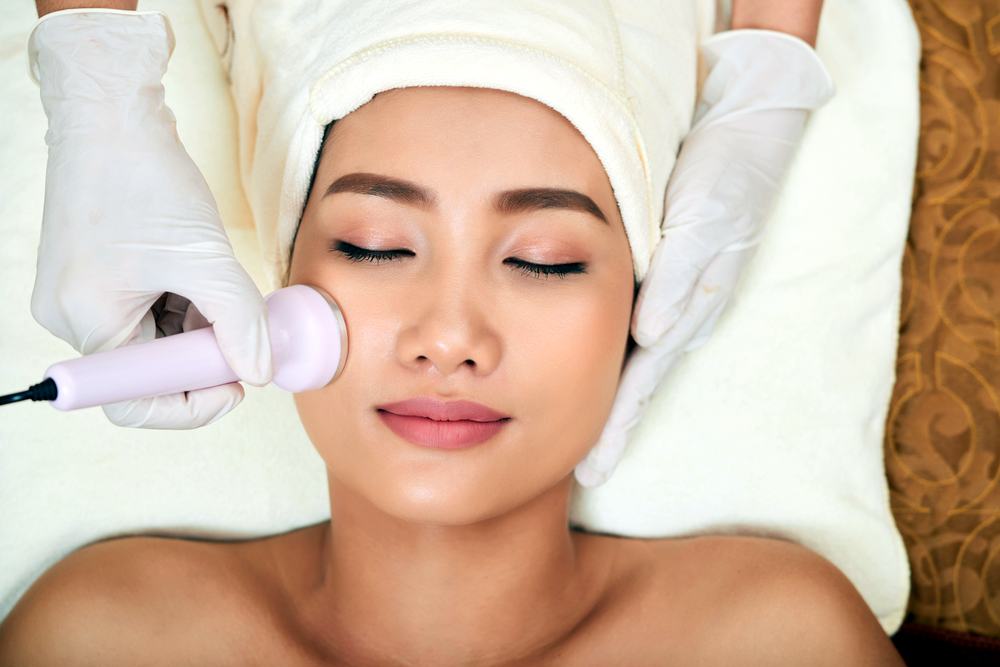
- HIFU (high-intensity focused ultrasound) is the general name for a group of devices that use focused ultrasound to lift and tighten skin. Ultherapy is a specific, branded type of focused ultrasound.
- The main difference is that Ultherapy shows the skin layers on a screen during treatment, so the doctor can see where the energy is going. Most HIFU devices do not.
- Both target similar depths, including the deep SMAS layer, and both stimulate collagen over 2 to 6 months.
- Ultherapy is usually more costly per session but offers more consistency and precision. HIFU devices vary widely in quality and settings.
- Either can work well in the right hands. Your result depends on the device, the energy settings, the number of lines delivered and the doctor’s experience.
In this article
Why HIFU and Ultherapy Are Often Confused
How Focused Ultrasound Lifting Works
The Difference Between HIFU and Ultherapy
Ultherapy vs HIFU: Effectiveness and Results
Who Is Suitable for HIFU or Ultherapy?
Cost Considerations In Malaysia
Why HIFU and Ultherapy Are Often Confused
Walk through any shopping mall in Kuala Lumpur and you will likely see HIFU offered somewhere, often at very different price points. Meanwhile, Ultherapy is promoted as a premium lifting treatment. Both claim to lift sagging skin without surgery using ultrasound. So what exactly is the difference?
In simple terms, Ultherapy is a type of focused ultrasound, but not all HIFU is Ultherapy. It is similar to how all smartphones make calls, but they differ in camera quality, software and reliability.
How Focused Ultrasound Lifting Works
Both treatments use ultrasound energy focused to specific depths under the skin. At the focal point, the energy creates tiny zones of heat without damaging the skin surface. This heat:
- Causes immediate tightening of existing collagen
- Triggers the body to build new collagen over the following months
- Can reach the SMAS, the deep supporting layer tightened during a surgical facelift
The result is a gradual lift and firming that develops over 2 to 6 months.
The Difference Between HIFU and Ultherapy
| Factor | Generic HIFU devices | Ultherapy |
|---|---|---|
| Technology | Focused ultrasound, design varies by manufacturer | Micro-focused ultrasound with visualisation (MFU-V) |
| Real-time imaging | Usually no | Yes, the doctor sees the tissue layers during treatment |
| Depth options | Varies, commonly similar depths | Set depths including the SMAS layer |
| Consistency | Depends heavily on device quality and settings | More standardised, with extensive clinical research behind it |
| Comfort | Often more comfortable, sometimes because energy settings are lower | Can be more uncomfortable, especially at higher energy |
| Cost | Generally lower | Generally higher |
| Who performs it | Ranges widely depending on the setting | Typically performed in medical clinics |
Ultherapy PRIME vs HIFU: What Makes Them Different?
Ultherapy PRIME is the next-generation version of the original Ultherapy platform. It continues to use micro-focused ultrasound with visualisation (MFU-V), while introducing improvements to the imaging system, platform performance and device design.
Compared with the original Ultherapy platform, Ultherapy PRIME features:
- Enhanced real-time ultrasound imaging to help doctors visualise underlying tissue layers.
- Improved system performance and processing speed.
- Updated device ergonomics to support treatment delivery.
- Continued ability to customise treatment according to individual facial anatomy.
Unlike many conventional HIFU devices, Ultherapy PRIME incorporates real-time imaging into treatment planning and energy delivery. However, the suitability of either treatment still depends on the specific device, patient characteristics and clinical assessment.
DOCTOR’S INSIGHT
The most important difference for me is visualisation. Faces are not uniform, and in many Asian patients the soft tissue over the cheekbones and jawline can be quite thin. With Ultherapy, I can see whether the transducer is sitting properly against the tissue and avoid placing energy where it should not go, such as directly on bone. Without imaging, you rely more on estimates, which can affect both comfort and results.
Dr. Kee Yong Seng, Premier Clinic TTDI, Bangsar & Puchong
Ultherapy vs HIFU: Effectiveness and Results
Clinical research on micro-focused ultrasound with visualisation is extensive, and it has been cleared by regulators in several countries for lifting the brow, under the chin and neck, and improving lines on the chest. For other HIFU devices, the evidence varies with the manufacturer.
In real-world terms, both can produce visible tightening, especially along the jawline, under the chin and around the brows. What usually makes the difference is:
- Energy delivered. Too little energy produces little change. Too much can cause discomfort or rare side effects.
- Number of lines. A thorough treatment covers the area adequately.
- Correct depth placement, which is easier with imaging.
- Patient selection. Mild to moderate sagging responds best.
Results Timeline and Treatment Frequency
Both HIFU and Ultherapy stimulate a gradual tissue remodelling response. Visible results develop over time rather than immediately after treatment.
| Time after treatment | What you may notice |
|---|---|
| First few days | Temporary redness, swelling or tenderness may occur. |
| First few weeks | Subtle changes in skin firmness may become noticeable. |
| Month 2 to 3 | Improvements in skin tightening and lifting may become more apparent. |
| Month 3 to 6 | Collagen remodelling may continue, with further gradual improvement. |
| After 6 to 12 months | Your doctor may reassess skin laxity and whether further treatment is appropriate. |
Ultherapy is often performed as a single initial treatment, while the number of HIFU sessions varies considerably between devices and treatment protocols. Additional sessions should be determined according to individual response rather than following a fixed schedule.
Our patient’s experience
Joanne, 42
I had HIFU twice at a beauty centre a few years ago because it was cheaper. I felt my face was a bit tighter for a few weeks but did not notice a lasting lift. Later I tried Ultherapy for my jawline and under-chin area. It was more uncomfortable, and my jaw was sore for several days. At around three months, my jawline looked better defined in side photos than after either HIFU session.
Who Is Suitable for HIFU or Ultherapy?
Good candidates for either
- Mild to moderate skin laxity
- Early jowling or softening jawline
- Mild brow drooping
- Loose skin under the chin or on the neck
- People who want gradual, natural-looking improvement without downtime
Less suitable
- Severe sagging or heavy excess skin, where surgery or a thread lift may give a more noticeable result
- Very thin faces with little fat, which may need careful settings to avoid hollowing
- Active skin infections, open wounds or certain implants in the treatment area
- Pregnancy
DOCTOR’S INSIGHT
A misconception I hear in Malaysia is that HIFU is the same thing whether it is done in a beauty centre or a clinic. Patients sometimes come in with burns, small fat loss in the cheeks or nerve irritation from treatments done by untrained operators. Focused ultrasound is a medical-grade energy, and in Malaysia it should be done under the care of a qualified doctor who can assess anatomy and manage complications.
Dr. Tarina Sandara, Premier Clinic Puchong & KL City
Side Effects and Downtime
Common and temporary side effects
- Redness and mild swelling for a few hours
- Tenderness or soreness for a few days to two weeks, especially along the jaw
- Tingling or numbness in small areas
- Mild bruising in some people
Less Common Complications
- Temporary nerve irritation, which can cause weakness of a facial muscle
- Small burns or welts, usually from incorrect settings or technique
- Fat loss leading to hollowing in thin faces if energy is placed too superficially or too much is delivered
Most people return to work the same day or the next day.
Our patient’s experience
Hafiz, 37
I wanted something for the start of a double chin and loose neck skin. I went with HIFU at a clinic because I was not ready to spend on Ultherapy yet. The doctor said results would be milder and that I would likely need repeat sessions. After two sessions six months apart, my under-chin looks slightly tighter, but I can still pinch some loose skin.
DOCTOR’S INSIGHT
I find that patients who choose based only on price often end up spending more, because they do repeated low-energy sessions that give little change and then look for a different treatment. I encourage patients to ask how many lines are being delivered and at what depths, regardless of which device they choose. That information tells you much more than the brand name on the machine.
Dr. Nigel Ong, Premier Clinic Bangsar & KL City
Cost Considerations In Malaysia
HIFU is generally less expensive than Ultherapy per session. Ultherapy is a premium device with proprietary transducers that have a limited number of uses, which contributes to its higher price. When comparing costs, consider:
- The number of lines or shots included
- The areas treated
- Who performs the treatment and their qualifications
- How long the result is likely to last, and how often you would need to repeat
A lower-cost treatment repeated frequently can end up costing similar to or more than a single higher-quality session per year.
Ultherapy vs HIFU: Which Is Better?
If you want the most precise, consistent and well-researched option, Ultherapy is usually the stronger choice. If cost is the main factor and your sagging is mild, a medical-grade HIFU device used properly by a qualified doctor can still give a worthwhile result. In both cases, the doctor’s assessment and technique matter as much as the machine.
Frequently Asked Questions
Is Ultherapy the same as HIFU?
Ultherapy is a type of focused ultrasound, but not all HIFU is Ultherapy. The key difference is that Ultherapy uses real-time imaging to see the skin layers during treatment.
Which is better, Ultherapy or HIFU?
Ultherapy generally offers more precision and consistency. HIFU can still be effective for mild sagging when done properly with a good device and adequate settings.
How long do results last for Ultherapy and HIFU?
Results usually last around 1 year or more for Ultherapy. HIFU results vary more depending on device and settings, and may need more frequent sessions.
Is HIFU or Ultherapy painful?
Both cause some discomfort. Ultherapy can be more uncomfortable, especially at higher energy over bony areas. Numbing options can help.
Is there downtime after HIFU or Ultherapy?
Downtime is minimal. You may have redness, mild swelling or tenderness for a few days, especially around the jaw. Most people return to work quickly.
Can I Switch From HIFU to Ultherapy?
Yes, switching may be considered after an assessment of your previous treatment history and results. Your doctor should determine an appropriate interval between treatments to avoid unnecessary energy exposure to the same tissues.
Can HIFU or Ultherapy Be Combined With Botox and Dermal Fillers?
These treatments may be combined as part of an individualised aesthetic treatment plan. However, the sequence and timing should be planned carefully, particularly if dermal fillers have already been placed in the proposed treatment area.