


 English

Non-Surgical Facelift Malaysia: Options, Results & Costs
KEY TAKEAWAYS
- Non-surgical facelift options lift and tighten the face without incisions. They suit mild to moderate sagging and offer little to no downtime.
- The main options in Malaysia include Ultherapy, Thermage, HIFU, thread lifts, dermal fillers, collagen stimulators and Botox. Each targets a different cause of ageing.
- Energy-based treatments (Ultherapy, Thermage, HIFU) build collagen gradually. Thread lifts give a more immediate lift. Fillers restore lost volume.
- The most effective non-surgical face lift for most people is a combination tailored to their face, rather than a single treatment.
- Results usually last from several months to around 2 years depending on the treatment, and maintenance is needed.
In this article
What Causes Facial Sagging and Loss of Skin Firmness?
Types of Non-Surgical Facelift Treatments in Malaysia
Comparing all Non-Surgical Facelift Options
Which Is the Most Effective Non-Surgical Face Lift?
Non-Surgical Facelift vs Surgical Facelift: What Is The Difference
Risks, Side Effects and Suitability of Non-Surgical Facelift Treatments
What Causes Facial Sagging and Loss of Skin Firmness?
Facial ageing is not just about wrinkles. Several changes happen together:
- Skin laxity: collagen and elastin decline, so skin becomes looser and thinner.
- Volume loss: fat pads in the cheeks, temples and under the eyes shrink and shift downward.
- Bone changes: the facial skeleton slowly loses support, especially around the eyes, jaw and mouth.
- Muscle activity: some muscles pull features downward over time.
The best non surgical face lifting treatments address the cause that matters most for your face. A tired, hollow face needs a different approach from a full face with loose jowls.
Types of Non-Surgical Facelift Treatments in Malaysia
Ultherapy
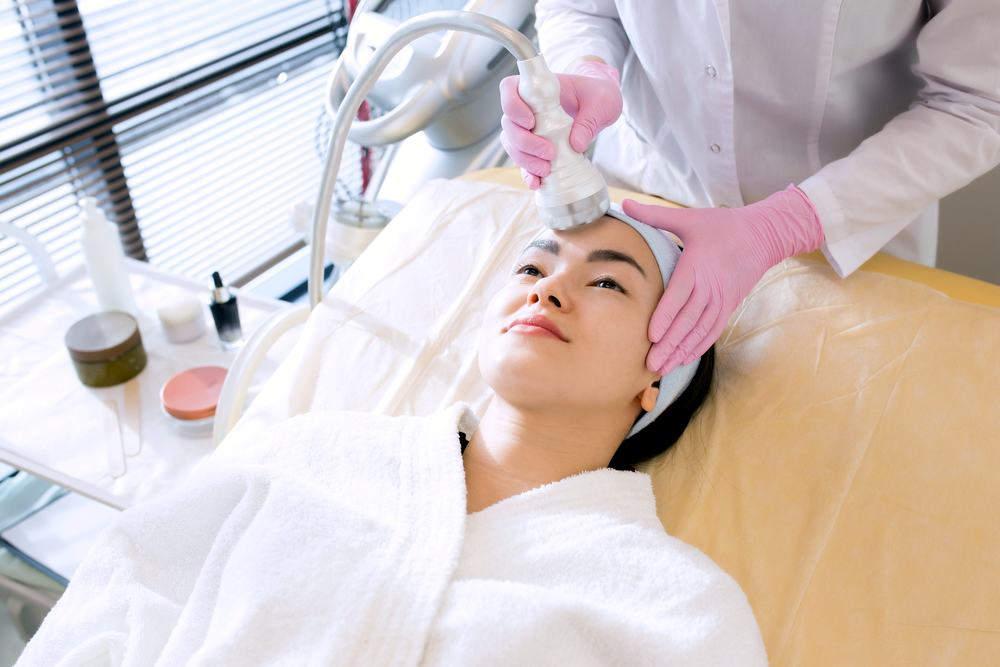
Ultherapy uses micro-focused ultrasound with real-time imaging to reach the deep SMAS layer, the same layer tightened in a surgical facelift. It is mainly used to lift the brow, jawline, under the chin and neck. Results build over 2 to 6 months and often last around a year or more.
Thermage
Thermage uses radiofrequency to heat the deeper skin layers and tighten skin across a broad area. It is particularly good for improving crepey texture, fine lines and overall firmness, including around the eyes.
HIFU
HIFU uses focused ultrasound similar to Ultherapy, but most devices do not show the skin layers during treatment. It can be a more affordable option for mild sagging when done properly with a good device.
Thread lift
A thread lift uses absorbable medical threads placed under the skin to lift sagging tissue and stimulate collagen. It gives a more immediate lift than energy devices, with a few days of swelling or tenderness. Results usually last around 12 to 18 months.
Dermal fillers
Hyaluronic acid dermal filler restores lost volume in the cheeks, temples, chin and jawline. Placing filler at key support points can create a lifting effect on the lower face.
Collagen stimulators
Injectables such as Sculptra and Radiesse gradually stimulate your own collagen, improving firmness and volume over several months. Results can last up to around 2 years.
Botox
Botox softens expression lines and can create a subtle lift when used for the brows, mouth corners or along the jawline and neck.
Laser lifting
Laser treatments such as Fotona 4D combine several laser modes to tighten skin from inside the mouth and on the surface, improving firmness and texture.
DOCTOR’S INSIGHT
Many patients come in asking for “the best facelift without surgery,” as if one treatment does it all. When I look at their face, I usually find two or three different causes at play, for example early jowling, flat cheeks and dull skin. Malaysian women in particular often prioritise looking fresh rather than looking “done,” so I usually suggest fixing the most noticeable cause first and building from there.
Dr. Keerthana Shukdesh, Premier Clinic TTDI, Bangsar & Puchong
Comparing all Non-Surgical Facelift Options
| Treatment | Best for | Downtime | How long results last |
|---|---|---|---|
| Ultherapy | Lifting brows, jowls, under chin | Minimal, some tenderness | Around 1 year or more |
| Thermage | Tightening, texture, crepey skin | Minimal | Around 1 year or more |
| HIFU | Mild sagging, budget-conscious lifting | Minimal | Varies by device, often shorter |
| Thread lift | Moderate sagging, immediate lift | 3 to 7 days of swelling or tenderness | About 12 to 18 months |
| HA fillers | Volume loss, structural support | 1 to 3 days of swelling | About 6 to 18 months |
| Collagen stimulators | Gradual volume and firmness | 1 to 3 days of swelling | Up to around 2 years |
| Botox | Lines, subtle brow or mouth lift | None to minimal | About 3 to 4 months |
Which Is the Most Effective Non-Surgical Face Lift?
There is no single winner. The most effective option depends on what you see in the mirror:
- Early sagging along the jaw or neck: Ultherapy or HIFU
- Crepey, thin skin and fine lines: Thermage, lasers or skin boosters
- Moderate sagging and wanting a quicker visible lift: thread lift
- Hollow cheeks or temples: fillers or collagen stimulators
- Frown lines and a heavy brow: Botox
Many patients see the best overall result from a combination, such as Ultherapy for lifting plus filler for cheek support.
Our patient’s experience
Mrs. Tan, 52
I am 52 and my jowls and neck were bothering me most. I was not ready for surgery and I could not take more than a weekend off. The doctor suggested Ultherapy on the lower face and neck first, then filler in the cheeks a month later. It took around three months before I noticed my jawline looked firmer. My neck still has some lines, but my face looks less tired in photos.
Non-Surgical Facelift vs Surgical Facelift: What Is The Difference
Non-surgical treatments are best for mild to moderate ageing. They offer:
- No incisions or general anaesthesia
- Minimal downtime
- Gradual, natural-looking changes
However, they cannot remove large amounts of excess skin or match the lift of a surgical facelift. If you have significant sagging, it is worth having an honest discussion about whether non-surgical treatments will meet your expectations.
Risks, Side Effects and Suitability of Non-Surgical Facelift Treatments
Although non-surgical facelift treatments generally involve less recovery time than traditional facelift surgery, they are not without risks. Potential complications vary depending on the technology, injectable product, treatment technique and individual health condition.
Potential Side Effects and Complications
| Treatment category | Common side effects | Potential serious or longer-lasting complications |
|---|---|---|
| Ultrasound and radiofrequency treatments | Redness, swelling and tenderness | Burns, nerve-related symptoms or unwanted changes in facial contours |
| Thread lifts | Swelling, bruising and temporary tightness | Infection, persistent dimpling, asymmetry or thread extrusion |
| Dermal fillers and collagen stimulators | Swelling, bruising and tenderness | Persistent nodules, infection or vascular occlusion |
| Botox | Mild bruising, headache or local discomfort | Unwanted muscle weakness, eyelid drooping or unintended toxin effects |
| Laser treatments and RF microneedling | Redness, swelling and skin sensitivity | Burns, pigmentation changes, scarring or tissue damage |
Seek immediate medical attention if you experience sudden vision changes, unusual severe pain or skin discolouration after filler injections, or difficulties breathing, speaking or swallowing after botulinum toxin treatment.
DOCTOR’S INSIGHT
In my practice, a common situation is professionals who travel often and cannot afford visible bruising or swelling. For them, energy-based treatments are often the first choice because they can return to meetings the next day. When a thread lift is the better fit, I plan it around their schedule, often before a long weekend, since swelling can be noticeable for a few days.
Dr. Foo Wing Jian, Premier Clinic Mont Kiara
What Affects the Cost?
The cost of non-surgical facelift options in Malaysia varies widely. Factors include:
- The treatment type. Energy devices like Ultherapy and Thermage are premium single-session treatments. Fillers and Botox are priced per syringe or unit.
- Area and extent. A full face and neck costs more than one area.
- Number of sessions. Some treatments need repeat sessions or yearly maintenance.
- Combination plans, which often give better results than one treatment alone.
- The doctor’s experience and the authenticity of products and devices.
When comparing prices, look at how long the result lasts and how often you would need maintenance. A lower-priced treatment repeated frequently may cost more over a year.
Our patient’s experience
Suraya, 46
I had a thread lift for my cheeks and jowls because I wanted to see a difference straight away. My face felt tight and I had small dimples at the entry points for about a week, and it was sore to open my mouth wide when eating. The lift was visible immediately and softened slightly after the swelling settled. I am around a year in and planning my next step.
DOCTOR’S INSIGHT
Malaysians have a wide range of skin types, and I find Indian patients in particular are often worried about pigmentation from lasers. For them, ultrasound and radiofrequency treatments are often good first options because they work below the surface. I also check for pigmentation around the jawline and neck, which sometimes makes sagging look worse than it actually is.
Dr. Deeban Ramasamy, Premier Clinic KL City, TTDI & Puchong
How to Choose the Right Non-Surgical Facelift Treatment
- Get a proper face assessment, not just a recommendation based on a single concern.
- Ask which cause of ageing each treatment targets.
- Ask about realistic results, timing and maintenance.
- Make sure your doctor holds an LCP for aesthetic medicine.
- Avoid treatments performed by untrained operators, especially energy devices and injectables.
Frequently Asked Questions
What is the most effective non-surgical face lift?
It depends on your concerns. Ultherapy is often the strongest single energy-based option for lifting, while a thread lift gives a more immediate lift. Many people get the best result from a combination.
How long does a non-surgical facelift last?
Most results last around 1 to 2 years, depending on the treatment, your age, skin quality and lifestyle. Maintenance sessions help keep the result.
Is there downtime with non-surgical face lifting treatments?
Energy-based treatments usually have little to no downtime. Thread lifts and fillers may cause swelling or bruising for a few days.
At what age should I consider non-invasive facial treatments?
Many people start in their thirties or forties when they first notice laxity. Starting earlier with maintenance treatments can help slow visible ageing.
Can non-surgical facelift treatments replace surgery?
They can delay the need for surgery and improve mild to moderate sagging, but they cannot match surgical results for significant excess skin.
How Can I Maintain My Non-Surgical Facelift Results?
Daily sun protection, appropriate skincare, avoiding smoking and maintaining a stable body weight may help support overall skin quality. Additional treatment sessions may be considered following a medical assessment.