


 English

Vaginal Laxity After Childbirth: Causes, Natural Recovery, and Treatment Options
|
Key Takeaways • Vaginal laxity is a feeling of looseness in the vagina, most commonly after vaginal childbirth. It is common, but many women feel too embarrassed to raise it with a doctor. • Childbirth stretches the vaginal walls and can strain or injure the pelvic floor muscles. Much of this recovers naturally over the first six to twelve months. • Pelvic floor muscle training is the first-line, evidence-based treatment and works best when taught properly, ideally by a women’s health physiotherapist. • Laser and radiofrequency treatments are offered as non-surgical options. Some women report improvement, but the evidence is still limited and regulators have cautioned against overstated claims, so expectations should be realistic. • Symptoms such as a bulge, heaviness or leaking urine may point to prolapse or pelvic floor weakness and should be assessed by a doctor. |
After childbirth, many women notice that things “down there” do not feel quite the same. Some describe a sense of looseness during intimacy, difficulty keeping a tampon in place, air passing from the vagina or a general feeling that the area is less firm. This is often called vaginal laxity.
It is a common experience, yet many women never mention it to a doctor. In Malaysia, a sense of malu or embarrassment, and the belief that it is simply something mothers have to accept, keep many women silent. This guide explains why vaginal laxity happens, what natural recovery looks like, and the treatment options available, including an honest look at what the evidence says about laser treatments.
What Is Vaginal Laxity After Childbirth?
Vaginal laxity is the feeling that the vagina is looser or wider than before. It is a symptom rather than a diagnosis, and it can have several causes:
- Stretching of the vaginal walls and surrounding tissue
- Weakness or injury to the pelvic floor muscles
- Widening of the vaginal opening after tears or an episiotomy
- Thinning and dryness of vaginal tissue due to hormonal changes, such as during breastfeeding or menopause
It is often linked to changes in sexual sensation, and sometimes occurs together with bladder leaks or a feeling of heaviness.
How Childbirth Changes the Vaginal Tissue and Pelvic Floor Muscles
Stretching of Tissue
During a vaginal birth, the vaginal walls and the tissues around them stretch enormously to allow the baby through. The tissue is designed to stretch and recover, but it may not return fully to its previous state, especially after several births.
Pelvic Floor Muscle Strain and Injury
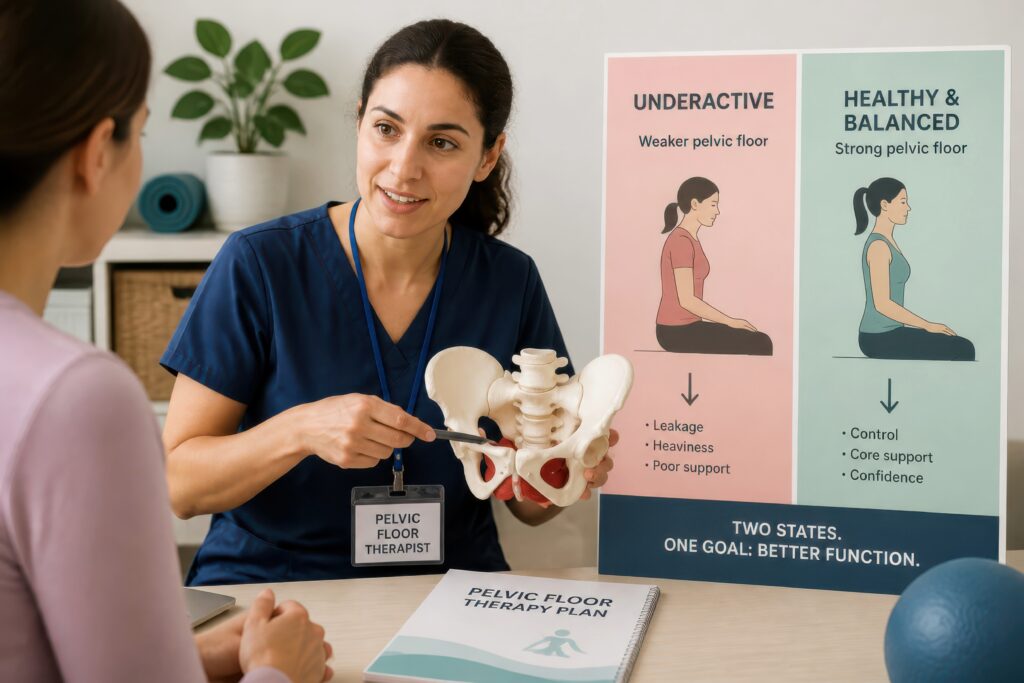
The pelvic floor is a group of muscles that support the bladder, uterus and bowel, and wrap around the vaginal opening. Childbirth can stretch these muscles and, in some women, partly detach them from the bone. Ultrasound studies suggest this kind of muscle injury affects a significant minority of women after their first vaginal birth.
Tears and Episiotomy
Perineal tears or a cut made to widen the opening during delivery can change the shape and tone of the vaginal opening after healing.
Hormonal Changes
Low oestrogen during breastfeeding can make vaginal tissue thinner, drier and less elastic. This can make laxity feel worse temporarily, and often improves once breastfeeding stops and periods return.
Risk Factors
- Multiple vaginal births
- A large baby
- Assisted delivery using forceps or vacuum
- A long pushing stage of labour
- Ageing and menopause
- Chronic coughing, constipation or heavy lifting, which strain the pelvic floor
- Genetic factors affecting tissue strength
| DOCTOR’S INSIGHT
“Many women who come in asking for tightening actually have weak pelvic floor muscles or an early prolapse, and they do not realise it. An examination tells us a lot. If the muscles are weak, a structured programme with a physiotherapist often helps more than any device, and it also helps with the bladder leaks that many mothers quietly put up with.” Dr. Shilpa Suresh, Premier Clinic KL City, Bangsar & Mont Kiara |
Natural Recovery: What to Expect
Many women improve significantly without any procedure. The body continues healing for months after birth.
| Time After Birth | What Usually Happens |
|---|---|
| 0 to 6 weeks | Initial healing of tears, swelling and bruising. Gentle pelvic floor exercises can usually begin when comfortable, as advised by your doctor. |
| 6 weeks to 6 months | Muscles regain strength with regular exercise. Sensation and tone often improve noticeably. |
| 6 to 12 months | Continued improvement, especially with consistent pelvic floor training. Hormonal effects of breastfeeding may still be present. |
| After 12 months | Remaining symptoms are less likely to improve on their own and are worth discussing with a doctor. |
Pelvic Floor Muscle Training: The First-Line Treatment
Pelvic floor muscle training, often called Kegel exercises, is the best-supported non-surgical solution for vaginal laxity related to muscle weakness. It also helps with bladder leaks and prolapse symptoms.
How to Do Pelvic Floor Exercises Correctly
- Find the right muscles: Imagine stopping the flow of urine and holding in wind at the same time. The lifting and squeezing feeling is your pelvic floor.
- Slow holds: Squeeze and lift, hold for up to 10 seconds, then fully relax for the same time. Repeat up to 10 times.
- Quick squeezes: Squeeze and release quickly 10 times.
- Frequency: Do sets three times a day, lying, sitting and standing.
- Be patient: Improvement usually takes at least three months of consistent practice.
Many women do these exercises incorrectly, for example by squeezing the buttocks or bearing down instead of lifting. A women’s health physiotherapist can check your technique and use tools such as biofeedback to help.
| OUR PATIENT’S EXPERIENCE
After my second normal delivery I feel looser, especially during intimacy. On a relative’s advice I had been using a manjakani wash, which left me dry and itchy. I was advised to stop the wash and see a physiotherapist for daily pelvic floor exercises over about four months. The dryness settled within weeks, while my muscle control has improved gradually. Puan Hasnah, 32 |
Confinement Practices and Home Remedies: What They Can and Cannot Do
Malaysian mothers often follow traditional confinement, or pantang, practices after childbirth, and many use traditional products to “tighten” the vagina. It helps to understand what these can and cannot achieve.
- Bengkung and abdominal binding: Many women find binding comfortable and supportive for the tummy. It does not strengthen the pelvic floor. Pelvic floor exercises are still needed.
- Manjakani and tightening washes: Astringent products made from oak gall and similar ingredients can make the tissue feel temporarily tighter by drying it. They do not strengthen muscles, and frequent use can cause dryness, irritation and changes to the natural vaginal balance.
- Jamu and herbal supplements: There is little evidence that these improve vaginal laxity.
- Herbal steaming: There is no good evidence that steaming tightens the vagina, and heat close to sensitive tissue carries a risk of burns.
Traditional practices can be part of a mother’s recovery and comfort, but they should not replace proper pelvic floor training or a medical assessment when symptoms persist.
| DOCTOR’S INSIGHT
“I often see mothers who have used manjakani washes or tightening products for months and now have vaginal dryness and discomfort during intimacy. The product made the area feel tighter for a short while because it dries the tissue, but the underlying muscle weakness was still there. Stopping the product and starting proper pelvic floor exercises usually helps both problems.” Dr. Tarina Sandara, Premier Clinic Puchong & KL City |
Non-Surgical Treatments for Vaginal Laxity
For women whose symptoms persist despite pelvic floor training, energy-based treatments are offered by many clinics as a non-surgical solution for vaginal laxity.
Laser Vaginal Tightening
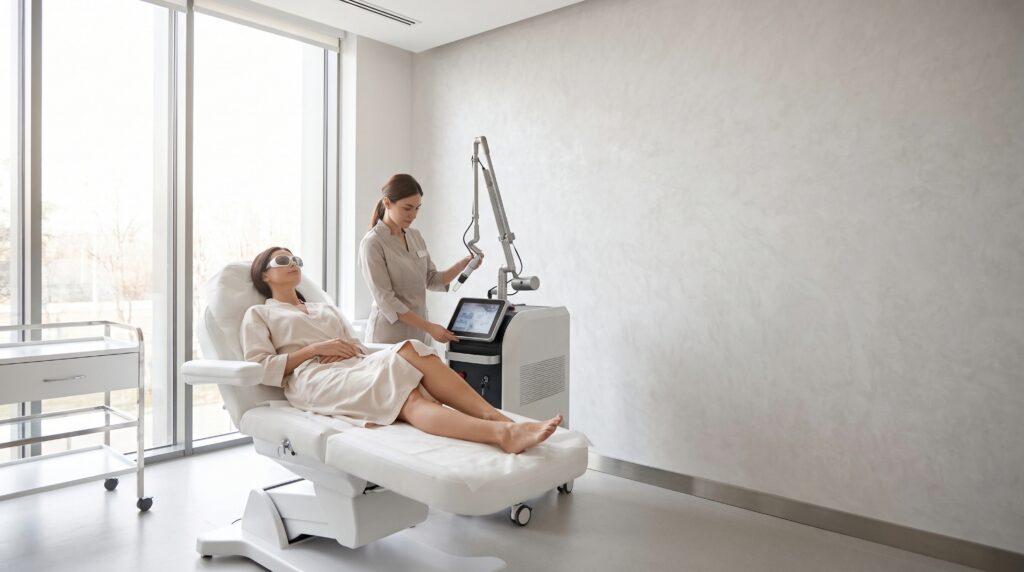
Laser V tightening uses laser energy, commonly fractional CO2 or Er:YAG lasers, to heat the vaginal lining. The aim is to stimulate collagen production and improve tissue firmness and moisture. A course usually involves several short sessions a few weeks apart, with little downtime.
Radiofrequency Treatment
Radiofrequency devices such as Thuzzle gently heat the vaginal tissue to encourage collagen remodelling, blood flow and lubrication. Treatment is usually painless and done as a series of sessions.
What the Evidence Says About Laser and RF Treatment
It is important to be honest about the current evidence on vaginal tightening laser and radiofrequency treatments:
- Some studies report improvements in the feeling of laxity, sexual satisfaction and mild bladder leakage after treatment.
- However, many studies are small, short-term or lack a comparison group. Larger, well-controlled trials have shown mixed results.
- In 2018, the US FDA warned against marketing energy-based devices for vaginal “rejuvenation”, stating that their safety and effectiveness for these uses had not been established, and noting reports of burns, scarring and pain.
This does not mean these treatments never help. It means they should be offered after a proper assessment, alongside pelvic floor training rather than instead of it, by a doctor who explains realistic outcomes and possible risks.
| OUR PATIENT’S EXPERIENCE
I have had three vaginal births, I am approaching menopause, and I have laxity along with some leaking when I sneeze. Despite the limited evidence, I decided to try radiofrequency treatment, three sessions a month apart, alongside pelvic floor exercises. The leaking when I sneeze has become less frequent, while changes in sensation are harder for me to judge. Madam Chia, 42 |
Who Might Consider Energy-Based Treatment?
- Women at least six months after birth, ideally after breastfeeding has ended
- Those who have tried pelvic floor training for at least three months with limited improvement
- Women with mild laxity and no significant prolapse
- Those who understand the evidence is still developing and accept that results vary
When Might Surgical Treatment Be Considered?
For significant laxity, prolapse or a widened vaginal opening after tears, surgical options such as perineal repair or vaginal tightening surgery may be considered. Prolapse repair is usually performed by a gynaecologist or urogynaecologist. Surgery gives more definite structural changes but involves anaesthesia, recovery time and its own risks.
When Should You Seek Medical Advice After Childbirth?
Seek a medical assessment if you notice:
- A bulge or something “coming down” in the vagina
- A dragging or heavy feeling in the pelvis
- Leaking urine when coughing, sneezing, laughing or exercising
- Difficulty emptying your bladder or bowel
- Pain during intercourse
- Persistent vaginal dryness, itching or unusual discharge
- Symptoms that have not improved by around 12 months after birth
These may point to pelvic floor weakness, prolapse, vaginal atrophy or other conditions that need proper treatment.
| DOCTOR’S INSIGHT
“Timing matters. Many mothers ask about tightening while they are still breastfeeding, when low hormone levels make the tissue thinner and drier and the laxity feel worse than it is. I usually advise waiting until breastfeeding ends and periods return, while doing pelvic floor exercises in the meantime. Some find they no longer feel the need for any procedure.” Dr. Keerthana Shukdesh, Premier Clinic TTDI, Bangsar & Puchong |
Final Thoughts: Understanding Vaginal Changes After Childbirth
Vaginal laxity after childbirth is common and nothing to be ashamed of. Many women improve with time and well-taught pelvic floor exercises. For those with persistent symptoms, laser and radiofrequency treatments are options, but the evidence is still limited, so they work best as part of a wider plan with realistic expectations. Symptoms such as a bulge or leaking urine deserve a proper medical check.
At Premier Clinic, our female doctors can provide a private, unhurried consultation to assess your symptoms, discuss natural recovery and explain whether a vaginal tightening treatment is appropriate for you.
Frequently Asked Questions
Does vaginal laxity go away on its own after childbirth?
Often, it improves significantly over the first six to twelve months as tissues heal and muscles regain strength, especially with regular pelvic floor exercises. Symptoms that persist beyond a year are less likely to resolve without help.
What is the best non-surgical solution for vaginal laxity?
Pelvic floor muscle training, ideally guided by a women’s health physiotherapist, is the first-line option with the strongest evidence. Laser and radiofrequency treatments are additional options, but the evidence for them is still limited.
Does laser V tightening really work?
Some women report improvement in tightness, sensation and mild bladder leaks, but studies are mixed and many are small. Regulators have cautioned against overstated claims. It is best considered after pelvic floor training and a proper assessment, with realistic expectations.
How soon after giving birth can I have vaginal tightening laser treatment?
Most doctors advise waiting at least six months after birth, and ideally until breastfeeding has ended and periods have returned, as hormonal changes during breastfeeding can affect the tissue and how symptoms feel.
Can manjakani tighten the vagina?
Manjakani products can make the tissue feel tighter for a short time by drying it, but they do not strengthen the pelvic floor muscles. Frequent use may cause dryness and irritation, so it is worth speaking to a doctor if you rely on them.
Can Kegel exercises help if I had an episiotomy or a significant vaginal tear?
Pelvic floor exercises may be useful after childbirth, but the appropriate programme depends on healing, pain and the extent of any injury. Women with significant tears or ongoing perineal discomfort may need an individual assessment before progressing with exercises. A pelvic health physiotherapist can help with muscle function, scar-related symptoms and rehabilitation.