


 English

Why Is Belly Fat So Hard to Lose? Causes and Effective Reduction Options
|
Key Takeaways • Belly fat comes in two types: subcutaneous fat, which you can pinch, and visceral fat, which sits deep around the organs. They behave differently and need different approaches. • Belly fat is hard to lose because of a combination of hormones, stress, sleep, diet, age and genetics, not just a lack of exercise. • Asians, including Malaysians, tend to store more visceral fat at a lower body weight, so a normal BMI does not always mean a healthy waistline. • Exercises like sit-ups cannot burn fat from the belly specifically. Overall fat loss through diet, activity and sleep is the foundation. • Clinical abdominal fat treatments, such as fat freezing, radiofrequency and fat melting injections, can reduce pinchable fat in specific areas, but they do not treat visceral fat or replace weight loss. |
You eat less, you walk more, the number on the scale goes down, and yet the belly stays. It is one of the most common frustrations people bring to a doctor. Stubborn belly fat can make clothes fit poorly and affect confidence, and in some cases it is also a sign of higher health risk.
So why is belly fat so hard to lose? The answer involves biology, lifestyle and, for many Malaysians, genetics. This guide explains what causes stubborn belly fat, why Malaysians are particularly prone to it, and which belly fat reduction options are realistic, including the limits of treatments that target fat in one area.
Two Types of Belly Fat: Visceral vs Subcutaneous Belly Fat
Understanding the type of fat you are dealing with is the first step.
| Feature | Subcutaneous Fat | Visceral Fat |
|---|---|---|
| Where it sits | Just under the skin | Deep inside the abdomen, around the organs |
| How it feels | Soft, can be pinched | Firm belly that cannot be pinched much |
| Health risk | Lower | Higher, linked to diabetes, heart disease and fatty liver |
| Responds to | Overall fat loss, plus localised treatments | Diet, exercise, sleep, stress control, medical weight management |
| Can clinic body contouring reduce it? | Yes, in targeted areas | No |
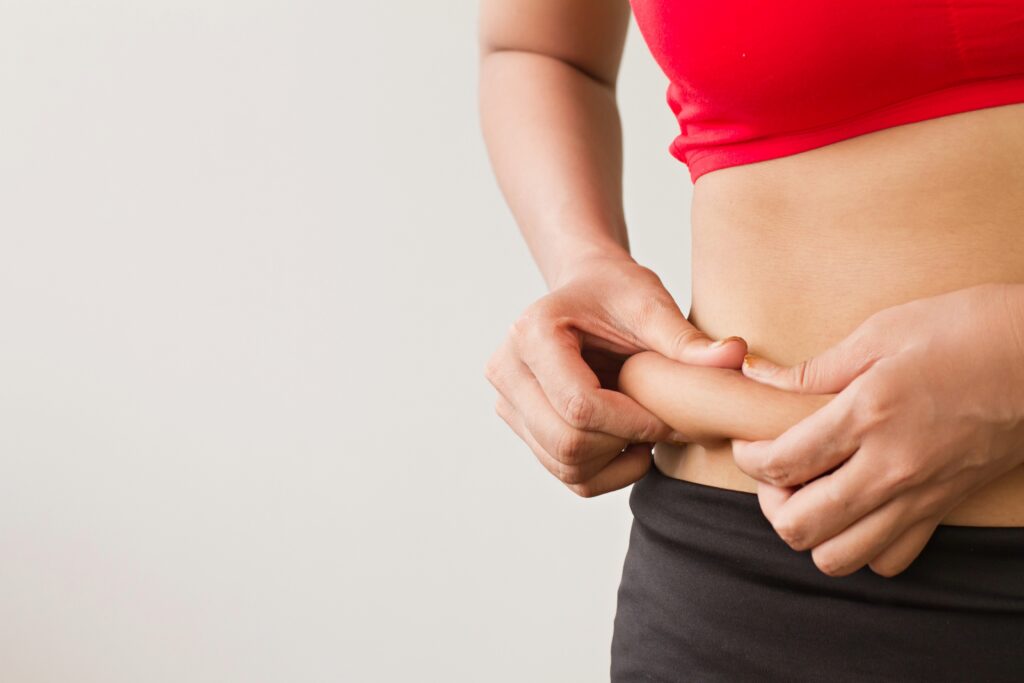
Many people have both. A useful at-home check is to pinch the skin of your lower belly. If you can grab a thick fold, there is significant subcutaneous fat. If your belly is firm and protruding but there is little to pinch, more of it is likely to be visceral fat.
Why Is Belly Fat So Hard to Lose?
Hormones
Insulin, cortisol and sex hormones all influence where fat is stored. High insulin levels from frequent sugary and refined carbohydrate intake encourage fat storage, particularly around the middle. After menopause, falling oestrogen shifts fat storage towards the abdomen in women. In men, declining testosterone with age has a similar effect.
Stress and Cortisol
Long-term stress raises cortisol, a hormone that encourages fat storage around the abdomen and increases cravings for high-sugar, high-fat foods.
Poor Sleep
Short or poor-quality sleep disrupts appetite hormones, making you hungrier and more likely to snack, and is linked to more abdominal fat over time.
Diet Patterns
Sweetened drinks, refined carbohydrates and frequent snacking add up quickly. In Malaysia, sweetened teh tarik, kopi, flavoured drinks, white rice in large portions, and fried or coconut-rich dishes are common daily habits that make belly fat reduction harder.
Sedentary Routines
Long hours at a desk, car-based commuting and limited walking reduce daily energy use, even for people who exercise a few times a week.
Age
Muscle mass naturally declines with age, which lowers your metabolism. Fat distribution also shifts towards the belly from your 30s and 40s onwards.
Pregnancy and Abdominal Muscle Separation
After pregnancy, some women develop a lower belly pouch that is partly loose skin and partly separated abdominal muscles, a condition called diastasis recti. This is not just fat, and it does not respond to fat reduction alone.
Why Malaysians Are at Higher Risk
Research shows that Asians tend to accumulate more visceral fat at a lower body weight than Western populations. This is why Asian guidelines use lower BMI cut-offs for overweight and obesity, and why waist size matters as much as weight.
According to Malaysia’s National Health and Morbidity Survey 2023, more than half of Malaysian adults were overweight or obese, and abdominal obesity, measured as a waist of 90cm or more for men and 80cm or more for women, was also found in more than half of adults.
This means many Malaysians who look slim or have a normal BMI may still carry significant visceral fat around the middle.
| DOCTOR’S INSIGHT
“I see many patients with a normal BMI but a waist well above the healthy cut-off. Often the biggest daily contributor is not the meals but the drinks: two or three sweetened teh tarik or kopi a day adds up quietly. I measure the waist before I talk about any body contouring, because if most of the belly is visceral fat, no machine will fix it.” Dr. Nigel Ong, Premier Clinic Bangsar & KL City |
The Spot-Reduction Myth: Can You Reduce Belly Fat With Targeted Exercises?
Many people try to lose belly fat by doing hundreds of sit-ups or crunches. Unfortunately, you cannot burn fat from one area simply by exercising the muscles underneath it. Abdominal exercises strengthen your core, which is valuable, but the fat on top only reduces when you lose fat overall.
This is why a combination of diet, overall activity and strength training tends to work better than targeted ab exercises alone.
Effective Belly Fat Reduction Options
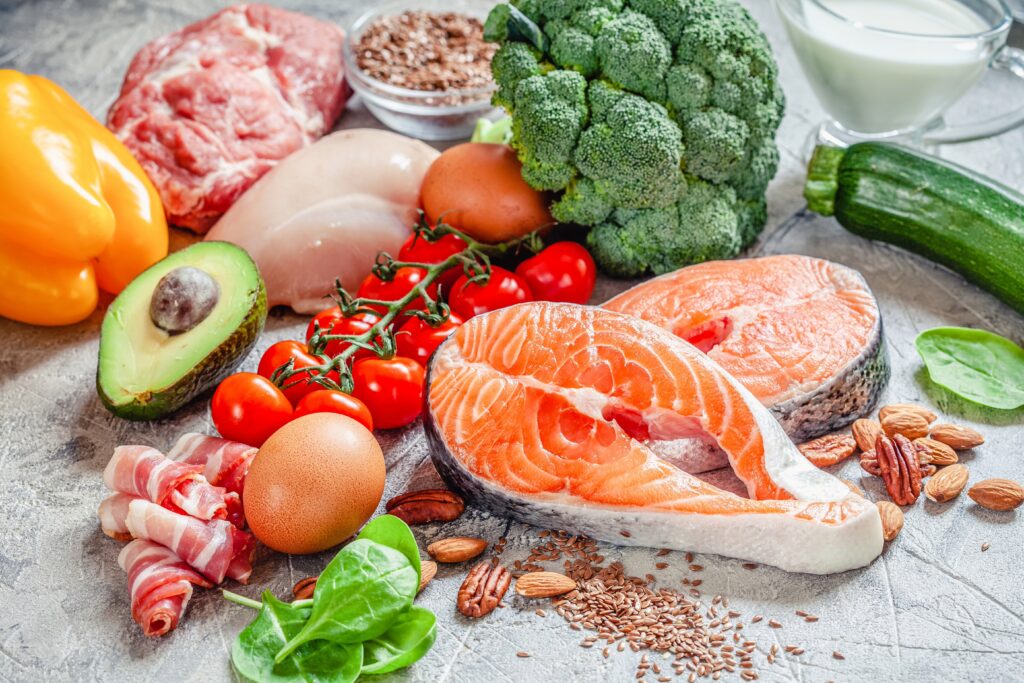
Lifestyle Foundations
These are the most effective tools for both types of belly fat:
- Cut back on sugary drinks: Switching to less sweet or unsweetened drinks is one of the simplest changes with a big effect.
- Prioritise protein and fibre: These help keep you full and protect muscle while losing fat.
- Strength training: Building muscle raises your resting energy use and improves how your body handles sugar.
- Daily movement: Walking more, taking stairs and breaking up long periods of sitting all add up.
- Sleep 7 to 8 hours: Good sleep helps regulate appetite hormones.
- Manage stress: Lower stress helps keep cortisol in check.
Medical Weight Management
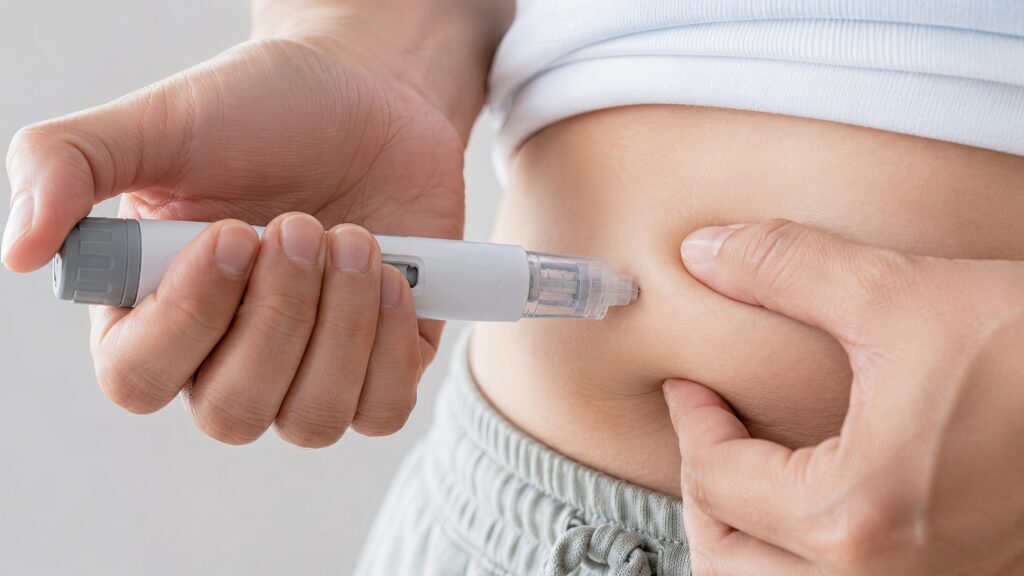
For people with significant excess weight or visceral fat, medical weight management under a doctor’s supervision may help. This can include GLP-1 based weight loss injections, which reduce appetite and help with overall fat loss including around the abdomen. These are prescription medications and need proper assessment and monitoring.
| OUR PATIENT’S EXPERIENCE
My BMI is 24 so I assumed I was fine, but my waist measures 98cm. I asked about fat freezing, but there was little to pinch, which suggested most of my fat sits deep around the organs. Fat freezing was not recommended for me. I was told that cutting out sweet drinks, walking after dinner and going to the gym twice a week can bring the waist down by several centimetres over six months. Hafiz, 38 |
Non-Invasive Abdominal Fat Treatment
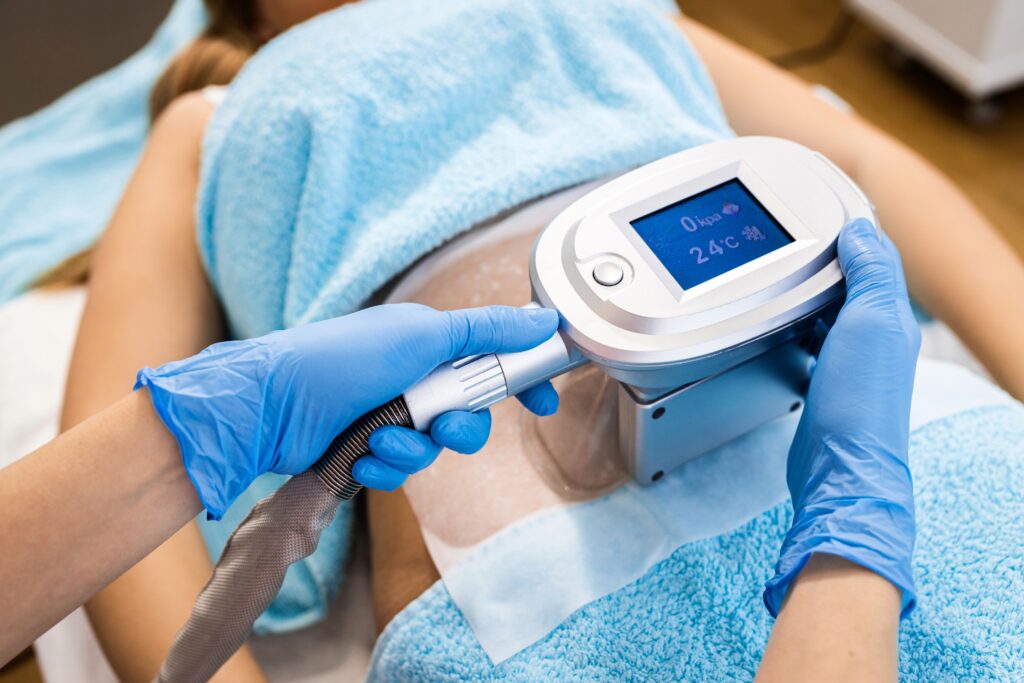
For pinchable, stubborn belly fat that remains despite a healthy lifestyle, clinic-based body contouring can reduce fat in targeted areas:
- Fat freezing (cryolipolysis): Devices such as CoolSculpting and Cooltech cool fat cells until they break down and are gradually cleared by the body over the following weeks.
- Radiofrequency and microwave energy: Treatments such as Onda and Vanquish use heat to reduce fat and may also help tighten skin.
- Fat melting injections: Injectable solutions that break down small pockets of fat, suited to smaller areas.
- Muscle stimulation: Devices such as Trusculpt strengthen and tone abdominal muscles, which can improve shape alongside fat reduction.
Surgical Options
Liposuction removes larger amounts of subcutaneous fat, and a tummy tuck (abdominoplasty) removes excess skin and repairs separated muscles. These are surgical procedures with longer recovery and are usually considered when non-surgical options are not enough.
| DOCTOR’S INSIGHT
“The pinch test tells me a lot. If I can hold a good fold of fat, the patient may be a candidate for body contouring. If the belly is firm and I cannot pinch much, I explain that the fat is mostly deep inside and the priority is overall fat loss and health checks, such as blood sugar and cholesterol, rather than a localised treatment.” Dr. Deeban Ramasamy, Premier Clinic KL City, TTDI & Puchong |
What Localised Fat Reduction Can and Cannot Do
Being honest about limitations helps you spend wisely.
It can:
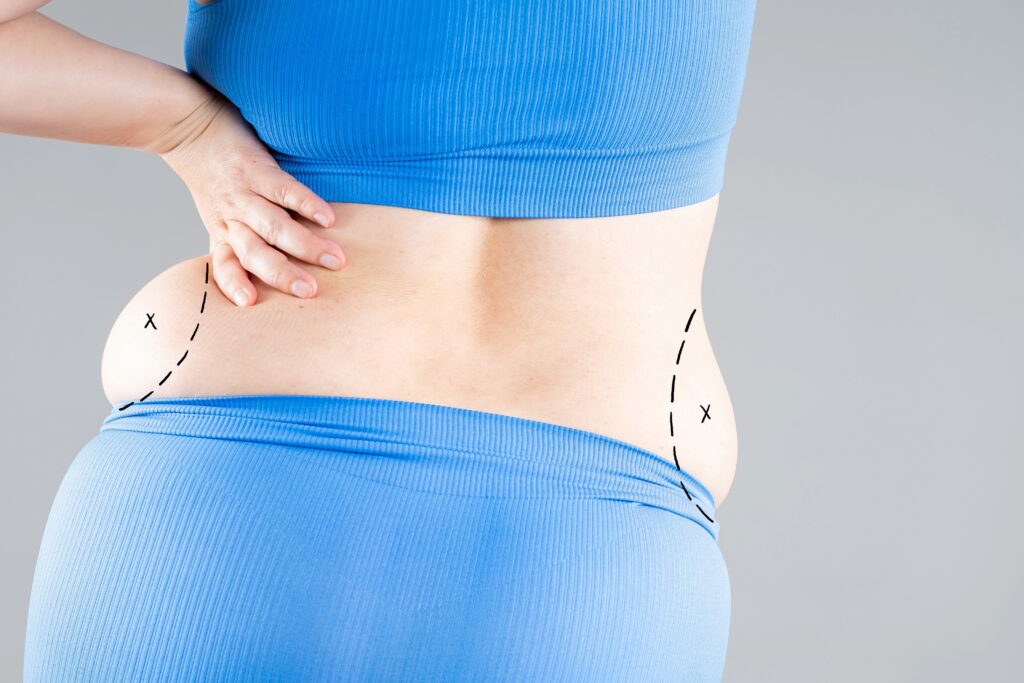
- Reduce pinchable fat in specific areas such as the lower belly, love handles and upper abdomen
- Improve body shape and how clothes fit
- Work well for people close to their goal weight
It cannot:
- Reduce visceral fat around the organs
- Replace weight loss for people with significant excess weight
- Fix loose skin or separated abdominal muscles on its own
- Prevent remaining fat cells from growing if you gain weight
Comparing Belly Fat Reduction Treatments
| Option | Best For | Downtime | Results |
|---|---|---|---|
| Lifestyle changes | All belly fat, especially visceral | None | Gradual, over months |
| Medical weight management | Significant excess weight or visceral fat | None, with side effects to monitor | Gradual, over months |
| Fat freezing | Pinchable fat pockets | Minimal, some tenderness | Visible from around 1 to 3 months |
| Radiofrequency treatments | Mild fat with some skin laxity | None | Gradual over several sessions |
| Fat melting injections | Small, localised pockets | Swelling and tenderness for days | Gradual over several sessions |
| Liposuction or tummy tuck | Larger volumes, loose skin, muscle separation | 1 to 4 weeks or more | Significant, after recovery |
| OUR PATIENT’S EXPERIENCE
After my second delivery I have a lower belly pouch that stays even though I am back to my old weight. The assessment found both pinchable fat and a small gap in my tummy muscles. Fat freezing on the lower belly can reduce the fat layer a little over around three months, but I was told loose skin may remain, and that I need core exercises from a physiotherapist for the muscle gap. Nurul (name changed for privacy), 35 |
Where Should You Start? How to Choose the Right Belly Fat Reduction Approach

- Measure your waist: Use a tape measure at the level of your belly button. Compare it with the healthy cut-offs of under 90cm for men and under 80cm for women.
- Do the pinch test: This gives a rough idea of how much of your belly fat is subcutaneous.
- Check your health: If your waist is above the cut-off, consider a check of blood sugar, cholesterol and blood pressure.
- Build the foundation: Sugary drinks, sleep, daily movement and strength training make the biggest difference.
- Consider targeted treatment: Once you are close to your goal weight, body contouring can help with stubborn pockets that remain.
| DOCTOR’S INSIGHT
“For mothers with a lower belly pouch, I check three things: fat, skin and the abdominal muscles. Very often the pouch is not mainly fat. If there is muscle separation, I involve a physiotherapist first, and if skin laxity is the main issue, fat freezing alone will disappoint. Explaining this at the start saves the patient money and frustration.” Dr. Tarina Sandara, Premier Clinic Puchong & KL City |
Final Thoughts: Understanding Stubborn Belly Fat
Belly fat is hard to lose because it is driven by hormones, stress, sleep, diet and genetics, not just willpower. For Malaysians, the tendency to store visceral fat at lower body weights makes waist size especially important to watch. Lifestyle changes remain the foundation for any meaningful stomach fat reduction. Clinic treatments can help with stubborn pinchable fat, but they work best as the final step, not the first.
The doctors at Premier Clinic can assess the type of belly fat you have and recommend realistic options, from medical weight management to targeted body contouring.
Frequently Asked Questions
Why is belly fat the last to go?
The abdomen has a high concentration of fat cells, and hormones such as insulin and cortisol encourage fat storage there. Genetics also influence where your body stores and loses fat first. For many people, the belly is simply the area the body holds onto longest.
Can I target stomach fat reduction with exercise?
Not directly. Abdominal exercises strengthen your core but cannot burn fat from the belly alone. Overall fat loss through diet, activity and sleep is what reduces belly fat over time.
Does fat freezing work on stubborn belly fat?
It can reduce pinchable subcutaneous fat in targeted areas. It does not reduce visceral fat and is not a weight loss treatment, so it works best for people close to their goal weight.
What is the best abdominal fat treatment for visceral fat?
Visceral fat responds to overall lifestyle changes, including reducing sugar and refined carbohydrates, regular activity, strength training, sleep and stress control. For some patients, supervised medical weight management may also help. Body contouring treatments do not reduce visceral fat.
Is belly fat dangerous?
Visceral fat is linked to higher risks of type 2 diabetes, heart disease, high blood pressure and fatty liver. A waist of 90cm or more for men or 80cm or more for women is a sign that it is worth checking your health.
What if my belly fat does not improve despite regular exercise and a healthy diet?
If you have maintained lifestyle changes but see little improvement, it may be helpful to review your overall energy intake, physical activity, sleep, medications and possible health conditions. Weight changes can also be affected by menopause and other hormonal or metabolic factors. A medical assessment can help determine whether further investigation or supervised weight management is appropriate.
Why does lower belly fat remain after pregnancy even when I return to my original weight?
A persistent lower belly after pregnancy may involve subcutaneous fat, stretched skin or abdominal muscle separation, known as diastasis recti. Returning to your previous weight does not necessarily restore the abdomen’s original shape. Treatment depends on the underlying cause, and fat reduction alone will not correct muscle separation or significant loose skin.