


 English

Hollow Cheeks and Facial Volume Loss: Can Cheek Fillers Restore Fullness?

|
Key Takeaways • Hollow cheeks are caused by a mix of shrinking fat pads, bone changes, weight loss and genetics, and often appear earlier in people with prominent cheekbones. • Cheek fillers restore fullness most naturally when volume is placed to support the cheek from the side and from deep layers, rather than simply filling the hollow itself. • Hyaluronic acid (HA) cheek fillers give immediate results that usually last around 12 to 18 months, while collagen-stimulating injectables build results gradually. • Fillers cannot fix significant skin sagging, and patients losing weight quickly are usually advised to wait until their weight stabilises. • A good result looks like a rested version of your own face, not a rounder or sculpted one. |
Hollow cheeks can make a face look tired, older or unwell even when you feel perfectly fine. Friends ask if you have been sleeping badly. Relatives comment that you have lost weight. For many people, it is the first sign of facial volume loss that they actually notice in the mirror.
The good news is that hollow cheeks are one of the more treatable signs of ageing. Cheek fillers can restore softness and fullness without surgery. But they are not a cure-all, and the way they are placed makes a big difference to whether the result looks natural. This guide explains what causes hollow cheeks, how cheek fillers work, what they cannot do and how to tell whether you are a good candidate.
What Causes Hollow Cheeks?
Hollow cheeks rarely have one single cause. Usually, several of these factors combine.
Changes in Facial Fat Pads
Your cheeks are supported by several separate pockets of fat. In your 20s, these pads are full and sit high on the face. From the 30s onwards, some of them shrink while others slide downward. The result is a hollow below the cheekbone and extra heaviness near the jawline.
Changes in Facial Bone Structure
The facial skeleton also changes with age. The cheekbones and the bone around the eye sockets gradually lose volume, which means the fat and skin on top have less to rest on. This is one reason why cheeks can look flatter even in people who have not lost weight.
Weight Loss, Including Medication
Losing weight, whether through dieting, exercise or weight loss medication, often shows in the face first. Rapid weight loss in particular can leave the cheeks looking deflated before the rest of the body has caught up.
Genetics and Natural Face Shape
Some people are simply born with less fat in the mid-face or with naturally prominent cheekbones. In these faces, the area under the cheekbone tends to hollow out earlier, sometimes by the late 20s.
Previous Facial Procedures
Some people who had buccal fat removal or aggressive facial slimming treatments when they were younger find that their cheeks look hollow sooner as they age, because there is less natural padding left to lose.
Hollow Cheeks or Sagging Skin? Why the Diagnosis Matters
Not every tired-looking cheek is a hollow cheek. Sometimes the cheek has not lost much volume at all but has dropped downward, creating deeper smile lines and jowls. Sometimes it is both.
This matters because the treatment is different. Volume loss responds well to cheek fillers. Sagging skin may need lifting or tightening treatments such as Ultherapy, or a combination of approaches. A doctor should assess your face at rest, while smiling and from the side before recommending anything.
How Cheek Fillers Restore Volume In Hollow Cheeks

Cheek fillers are injectable gels, most commonly made from hyaluronic acid, which is a natural substance found in the skin. When placed in the right layers, they replace lost volume, support the tissues above and soften shadows.
Supporting the Cheek, Not Just Filling the Hollow
A common mistake is to inject filler directly into the hollow beneath the cheekbone. This can make the lower face look heavy or puffy. Experienced doctors usually work from the outside in:
- Lateral cheek: A small amount of filler along the outer cheekbone restores support and gives a subtle lift.
- Mid-cheek: Volume placed deep, close to the bone, restores the front of the cheek that is visible in photos.
- Submalar hollow: Only after the support is in place is a smaller amount used directly in the hollow, if still needed.
HA Fillers vs Collagen Stimulators
| Option | How It Works | Results Appear | Typical Duration |
|---|---|---|---|
| HA cheek filler | Gel adds volume and lift directly | Immediately | Around 12 to 18 months |
| Sculptra (PLLA) | Stimulates your own collagen over time | Gradually over 2 to 3 months | Up to around 2 years |
| Radiesse (CaHA) | Adds volume and stimulates collagen | Immediately, improving over months | Around 12 to 18 months |
HA fillers are the most common first choice because the result is immediate and they can be dissolved if needed. Collagen stimulators may suit patients who prefer gradual change, but they cannot be dissolved, so careful planning matters.
What Are the Risks and Side Effects of Cheek Fillers?
Cheek fillers may cause temporary swelling, bruising, redness and tenderness around the injection sites. These effects often improve within several days, although recovery varies between individuals.
Less common complications include infection, lumps, asymmetry and prolonged swelling. In rare cases, filler can enter or block a blood vessel, potentially causing tissue damage, vision loss or other serious complications.
Seek immediate medical attention if you experience unusual or severe pain, changes in vision, or white, grey or blue skin discolouration during or after treatment.
A consultation with a qualified medical practitioner is important to assess your suitability, explain the risks and establish an appropriate treatment plan.
| DOCTOR’S INSIGHT
“When patients point to the hollow under their cheekbone, I usually start somewhere else. Restoring a little support on the outer cheek and deep mid-cheek often softens the hollow by itself, and we end up using less product in the hollow than the patient expected. Filling the hollow directly on its own is the quickest way to make a face look heavy.” Dr. Nigel Ong, Premier Clinic Bangsar & KL City |
What Are The Limitations Of Cheek Fillers
Being clear about limitations helps avoid disappointment.
- They cannot fix significant sagging. If the skin is very loose, adding volume can make the face look bigger rather than lifted.
- They are not a substitute for stable weight. If you are actively losing weight, more volume loss will follow and the result will need adjusting.
- They do not improve skin quality. Fine lines, texture and dullness need other treatments such as skin boosters or lasers.
- They are not permanent. HA fillers are broken down by the body over time and need maintenance.
| OUR PATIENT’S EXPERIENCE
I lost around 15kg over several months on a medical weight loss programme, and my family started saying I look tired and older around the cheeks. I was advised to wait until my weight had been stable for a few months before doing anything. Once it was, I had HA filler in the outer cheek and mid-cheek, around 1.5ml per side. Swelling lasted about three days and my cheeks were tender when chewing. I have a review booked at six months. Puan Noraini, 42 |
Who Is a Good Candidate for Cheek Fillers?
You may be a good candidate if:
- You have noticed flattening or hollowing in the cheeks or under the cheekbones
- Your skin still has reasonable elasticity
- Your weight has been stable for at least a few months
- You want a natural improvement rather than a dramatic change
- You do not have an active skin infection, are not pregnant or breastfeeding, and do not have a known allergy to filler ingredients
Cheek fillers may be less suitable for people with significant skin laxity, those who are still losing weight, or those expecting a permanent result.
| DOCTOR’S INSIGHT
“Quite a few of my older Chinese patients tell me that hollow cheeks make them look unlucky or unwell to their family. What they want is softness and a fuller, healthier look, not the sharp, sculpted cheekbones they see on social media. So the placement is more towards the front of the cheek and the amounts are smaller. Understanding why the patient wants the change shapes the whole plan.” Dr. Shilpa Suresh, Premier Clinic KL City, Bangsar & Mont Kiara |
The Cheek Filler Treatment Process
Consultation: Your doctor will examine your face from several angles, ask about your medical history and any previous treatments, and explain the plan and expected cost.
Preparation: The skin is cleansed. A numbing cream may be applied, and most HA fillers also contain a local anaesthetic.
Injection: Filler is placed with a fine needle, a blunt cannula or both. Cannulas are often used in areas with more blood vessels to reduce bruising. The procedure usually takes 20 to 40 minutes.
Aftercare: Mild swelling, tenderness and small bruises are common for a few days. You should avoid strenuous exercise, saunas, facial massage and pressing on the cheeks for at least 24 to 48 hours. A review is usually scheduled after two weeks, when swelling has settled.
| DOCTOR’S INSIGHT
“A useful test is whether people around you notice that you look well rather than notice that you have had something done. Patients sometimes bring filtered photos as a reference, and filters add width and roundness that a real cheek cannot carry. I would rather treat in two sessions a few weeks apart than put everything in at once.” Dr. Tarina Sandara, Premier Clinic Puchong & KL City |
Expected Results and How Long They Last
With HA fillers, you will see a difference straight away, although swelling can make the cheeks look slightly fuller than the final result for the first week. The true result is usually clear at around two weeks.
Cheek fillers placed deep near the bone tend to last longer than fillers in areas that move a lot. Most patients find their results last around 12 to 18 months. Many choose a smaller top-up before the filler fully wears off, which helps maintain a steady result with less product.
| OUR PATIENT’S EXPERIENCE
My cheeks have always been fairly flat, and under office lighting the area under my cheekbones now looks sunken. I had around 1ml per side, placed mostly along the outer cheekbone with a little in the hollow. I had a small bruise for a few days. My family says I look less tired, but nobody can say what exactly has changed. Ms Chow, 38 |
Final Thoughts: Can Cheek Fillers Restore Hollow Cheeks?
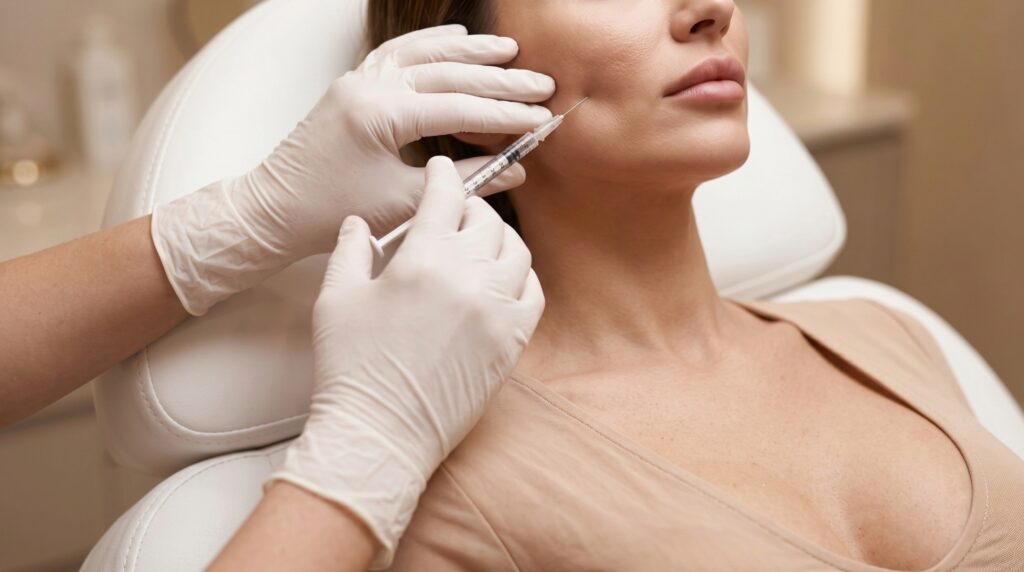
Cheek fillers can be one of the most effective treatments for hollow cheeks and facial volume loss, especially when the cause is shrinking fat pads or bone changes rather than heavy sagging. The best results come from careful assessment, conservative amounts and placement that supports the face rather than simply filling a hollow.
If your cheeks have started to look hollow or tired, a consultation with one of the doctors at Premier Clinic can help you understand what is causing it and whether cheek fillers, another treatment or a combination is the right fit.
Frequently Asked Questions
What is the best treatment for loss of volume in the face?
It depends on the cause. For mild to moderate volume loss in the cheeks, temples and under-eyes, HA filler is usually the first choice because results are immediate and adjustable. Collagen-stimulating injectables suit some patients who prefer gradual change. If sagging is the main problem, lifting treatments may be needed as well.
How much filler do I need for hollow cheeks?
Many patients need around 1 to 2ml in total for a natural improvement, though this varies with face shape and the degree of volume loss. Larger amounts are often better spread across two sessions to keep the result natural.
Will cheek fillers make my face look fat or puffy?
Not when placed correctly and in sensible amounts. Puffiness usually comes from overfilling or placing too much product directly in the hollow. Supporting the cheek from the side and from deeper layers helps avoid this.
Can I get cheek fillers if I am still losing weight?
It is usually better to wait until your weight has been stable for a few months. If you treat while still losing weight, more volume loss will follow and you may need extra filler sooner.
Is cheek augmentation filler the same as having cheek implants?
No. Cheek augmentation filler is a non-surgical injection that lasts around one to two years and can be adjusted. Cheek implants are permanent surgical devices placed under general or local anaesthesia, with a longer recovery.
Can hollow cheeks return after cheek filler treatment?
Yes. Hyaluronic acid fillers gradually break down, and natural facial ageing continues after treatment. Changes in weight and facial fat can also affect cheek fullness. Some patients choose maintenance treatments, but the timing and amount should be based on reassessment rather than a fixed schedule.