


 English

Hyaluronic Acid Filler vs Facial Fat Transfer: Which Is Better for Volume Loss?
|
Key Takeaways • Hyaluronic acid filler and facial fat transfer both restore lost volume, but they differ in procedure, longevity, recovery and reversibility. • HA filler is a quick, non-surgical injection that lasts roughly 9 to 18 months depending on the area, and it can be dissolved if needed. • Fat transfer uses your own fat harvested through liposuction. Results can last for years, but how much fat survives is unpredictable and it cannot be dissolved. • HA filler suits people who want precise, adjustable shaping with little downtime. Fat transfer suits people who need larger volumes and have enough spare fat to harvest. • Many lean Malaysian adults simply do not have enough donor fat, which makes HA filler the more practical starting point for them. |
As we age, the face does not just wrinkle. It deflates. Cheeks flatten, temples hollow, and the area under the eyes starts to look sunken and tired. Two of the most common ways to put that volume back are hyaluronic acid filler and facial fat transfer, also called fat grafting.
Both can make a face look fresher and fuller, but they are very different treatments. One is a quick injection with almost no downtime. The other is a surgical procedure that moves fat from one part of your body to your face. This guide explains how each works, what results to expect and how to decide which one fits your face, budget and lifestyle.
What Causes Facial Volume Loss?
Volume loss is rarely caused by just one thing. Several changes happen together, usually starting in our 30s:
- Fat pads shrink and shift: The face has separate pockets of fat. With age, some shrink while others slide downward, leaving hollows above and heaviness below.
- Bone changes: The bones of the eye socket, cheek and jaw slowly lose density, so the soft tissue on top has less support.
- Collagen and elastin decline: Skin becomes thinner and less able to hold its shape.
- Weight loss: Losing weight, whether through diet, exercise or medication, often shows in the face first.
- Sun exposure: Malaysia’s year-round strong UV speeds up collagen breakdown, which makes deflation look more obvious.
Understanding which of these is driving your volume loss matters, because it affects where volume should be placed and which treatment makes more sense.
What Is Hyaluronic Acid (HA) Filler?
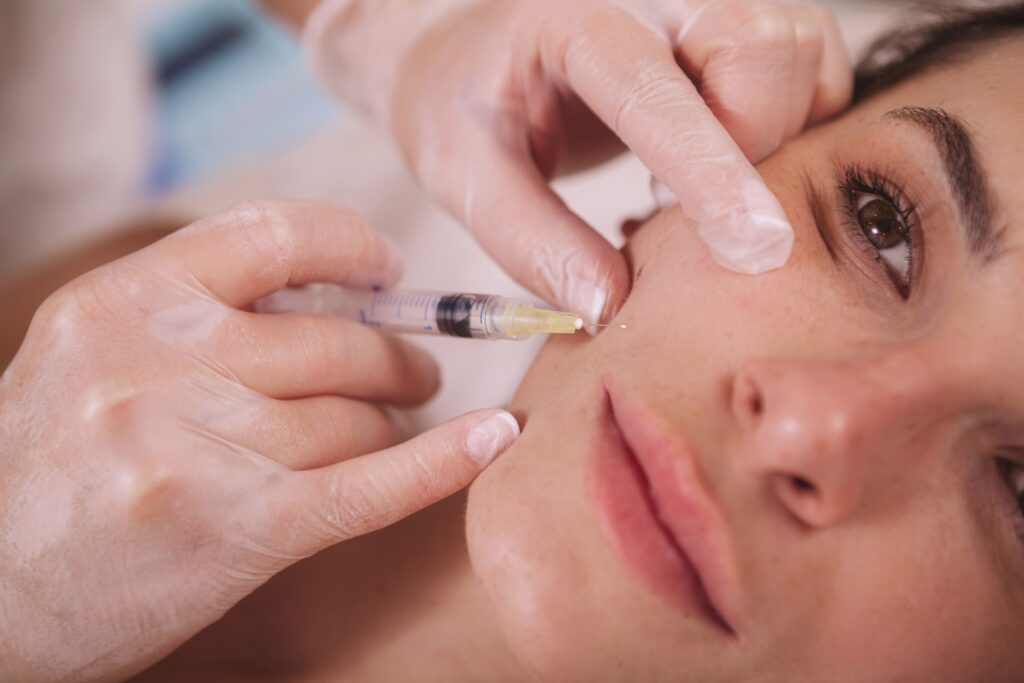
Hyaluronic acid (HA) is a sugar molecule your body already makes. It holds water and helps keep skin plump. HA filler is a gel version of this molecule that a doctor injects under the skin to restore volume, lift and contour.
How HA Filler Restores Facial Volume
The gel adds volume immediately where it is placed. Different HA fillers have different thicknesses. Firmer gels are used deeper, for example on the cheekbone or chin, to create lift and structure. Softer gels are used in delicate areas such as the lips or the tear trough under the eyes.
A typical session takes 30 to 45 minutes. Most HA fillers contain a local anaesthetic to make the procedure more comfortable, and many patients return to work the same day.
How Long Does HA Filler Lasts
HA filler is gradually broken down by the body. Depending on the product, the area treated and your metabolism, results usually last around 9 to 18 months. Areas that move a lot, such as the lips, tend to wear off sooner than deeper areas like the cheekbones.
What Is Facial Fat Transfer (Fat Grafting)?
Facial fat transfer, sometimes called fat injections in the face, moves your own fat from an area such as the abdomen or thighs into areas of the face that have lost volume.
How Does Facial Fat Works
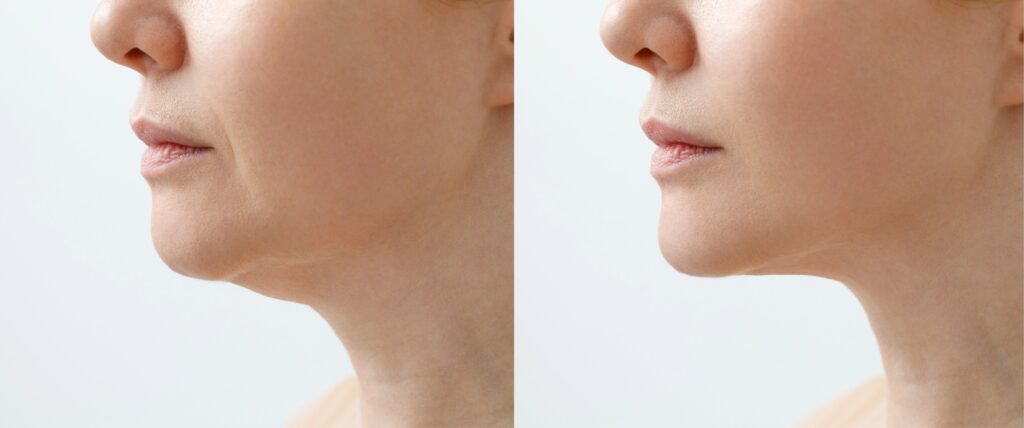
Fat transfer is a surgical procedure done in three stages:
- Harvesting: Fat is removed through a small liposuction cannula, usually under local or general anaesthesia.
- Processing: The fat is cleaned and separated so that only healthy fat cells are used.
- Injecting: The purified fat is injected in tiny amounts into the face, layer by layer.
Because it involves liposuction, fat transfer should be performed by a qualified surgeon in a properly licensed facility. Expect swelling and bruising at both the face and the donor area for one to two weeks.
How Long Do Fat Injections In The Face Last
Not all of the transferred fat survives. The fat needs to develop a new blood supply in its new location, and a portion of it is reabsorbed by the body in the first few months. Survival rates vary widely between individuals. For this reason, surgeons often overfill slightly or plan a second session, and the final result is not clear until around three to six months later.
The fat that does survive behaves like normal fat. That means it can grow if you gain weight and shrink if you lose weight.
HA Filler vs Fat Transfer: Side-by-Side Comparison
| Factor | Hyaluronic Acid Filler | Facial Fat Transfer |
|---|---|---|
| Type of procedure | Non-surgical injection | Surgical (liposuction plus injection) |
| Treatment time | 30 to 45 minutes | 2 to 4 hours |
| Downtime | Minimal, mild swelling for 1 to 3 days | 1 to 2 weeks of swelling and bruising |
| Results visible | Immediately | Gradually, final result at 3 to 6 months |
| How long it lasts | Around 9 to 18 months | Surviving fat can last for years |
| Predictability | High, volume placed is volume you get | Lower, a portion of fat is reabsorbed |
| Reversible | Yes, can be dissolved with hyaluronidase | No |
| Best for | Precise shaping and moderate volume | Larger volume needs and patients with spare fat |
HA Filler vs Fat Transfer: Safety, Risks and Reversibility
Both treatments are generally safe in experienced hands, but they carry some of the same risks, including bruising, swelling, lumps, asymmetry and, rarely, a blocked blood vessel.
The key difference is what can be done if something is not right. HA filler can be broken down with an enzyme called hyaluronidase, usually within a day or two. This is why HA filler is often described as reversible. If you are unhappy with the shape, or if a complication develops, there is a clear way to correct it.
Fat cannot be dissolved. Once it has settled, irregularities, lumps or an overfilled area may need further procedures to correct, and results are harder to fine-tune. This matters most in thin-skinned areas such as under the eyes and around the lips, where small bumps are easy to see.
| DOCTOR’S INSIGHT
“A good number of the correction cases I see are not about too little volume. They are layers of product built up over years, at different times and sometimes by different providers. With HA, I can dissolve and start clean. With fat, whatever has survived is there to stay, so I am far more careful about using fat under the eyes and around the mouth, where even small irregularities show.” Dr. Kee Yong Seng, Premier Clinic TTDI, Bangsar & Puchong |
HA Filler or Facial Fat Transfer: Which Is Better for You?
There is no single right answer. The better choice depends on how much volume you need, where you need it, your body type, your tolerance for downtime and how much you value being able to adjust the result.
HA Filler May Suit You If
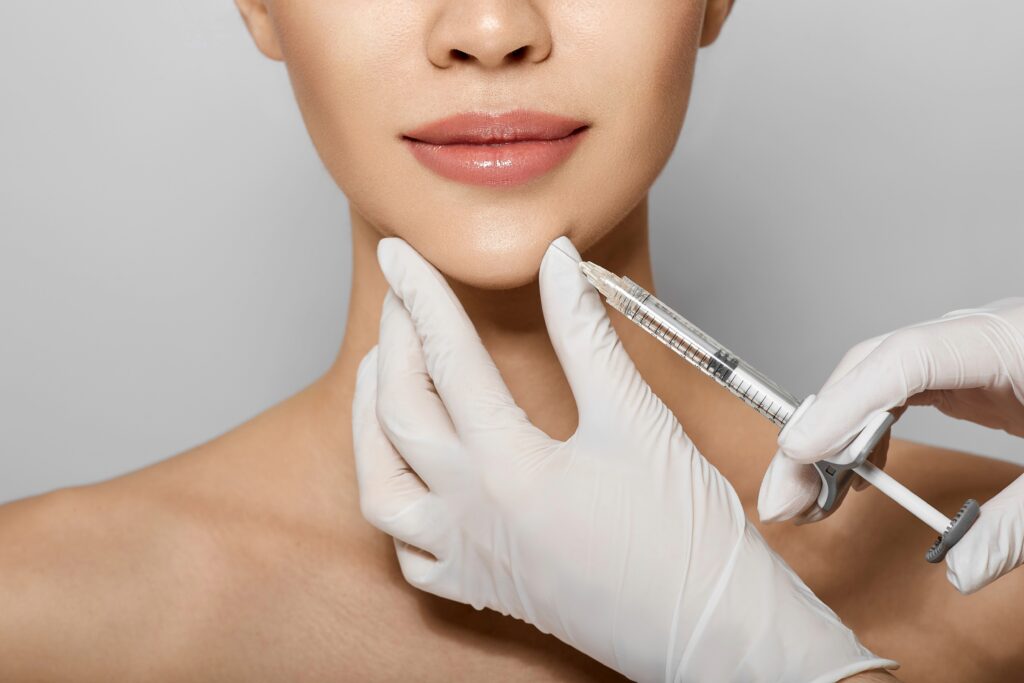
- You want a noticeable but natural change without surgery
- You need precise shaping in specific areas such as the cheekbones, temples, chin or under-eye area
- You cannot take more than a day or two off work
- You prefer a result that can be adjusted or reversed
- You are lean and do not have much fat to spare
Facial Fat Transfer May Suit You If
- You need a large amount of volume across several areas of the face
- You have enough fat in areas such as the abdomen or thighs to harvest
- You are comfortable with a surgical procedure and one to two weeks of recovery
- Your weight has been stable and you expect it to stay that way
- You accept that a second session may be needed to reach the final result
| OUR PATIENT’S EXPERIENCE
I lost around 12kg from running and my cheeks and temples started looking flat and tired in photos. I asked about fat transfer because it sounded more natural, but I have very little fat on my stomach or thighs to harvest. I had HA filler in the cheeks and temples instead, around two syringes in total. My face was swollen for a couple of days and I had a small bruise near the temple that I covered with concealer. I was told to come back at six months to see whether a top-up is needed yet. Mr Lim, 35 |
Considerations for Facial Fillers and Fat Transfer in Malaysia
A few local factors are worth thinking about before you decide.
Lean patients and donor fat: Many younger Malaysian adults who notice facial hollowing are slim or very active. Fat transfer depends on having enough fat to harvest without creating a new problem at the donor site, so for many of these patients it simply is not an option.
Recovery in a hot, humid climate: After liposuction, patients usually wear a compression garment over the donor area for several weeks. In Malaysian heat, this can be uncomfortable and needs planning around work and commuting.
Weight changes over time: Because grafted fat behaves like the fat it came from, weight gain after festive seasons, pregnancy or a break from exercise can make treated areas of the face fuller than intended.
Regulation and credentials: In Malaysia, doctors performing aesthetic procedures such as fillers should hold a Letter of Credentialing and Privileging (LCP) from the Ministry of Health, and fillers should be products registered with the Medical Device Authority. It is reasonable to ask your doctor about both.
| DOCTOR’S INSIGHT
“A lot of my patients in their late 20s and 30s are lean, and many are runners or regular gym-goers. They often ask for fat transfer because it sounds more natural, but when we check the abdomen and thighs there is very little to harvest. For them, a small amount of HA placed in the temples and mid-cheek is usually the more sensible place to start, and we can build from there.” Dr. Keerthana Shukdesh, Premier Clinic TTDI, Bangsar & Puchong |
Can HA Filler and Fat Transfer Be Combined?
Yes. Some patients have fat transfer for broad volume across the face and then use HA filler later to fine-tune specific areas such as the chin, lips or under-eyes. Others start with HA filler, and if they find themselves needing large volumes repeatedly, they may consider fat transfer as a longer-term option.
Some doctors also use collagen-stimulating injectables such as Sculptra, which gradually encourage the skin to build its own collagen over several months. These are not the same as HA filler and cannot be dissolved, so they are usually considered after a thorough assessment.
| OUR PATIENT’S EXPERIENCE
I had fat transfer to my face years ago and now one cheek is fuller than the other. I was told fat cannot be dissolved, so nothing was removed. Instead I had a small amount of HA filler on the flatter side, over two sessions about a month apart. The difference between my two sides is less obvious now, though it can still show in some photos. Madam Tan, 46 |
What to Expect at Your Facial Volume Loss Consultation
A proper consultation should look at your whole face, not just the area that bothers you most. Your doctor should:
- Assess where volume has been lost and why, including bone, fat and skin changes
- Check for any previous filler or fat treatment and where it was placed
- Discuss how much change you want and what is realistic for your face
- Explain the risks, downtime and maintenance of each option
- Agree on a staged plan rather than correcting everything in one session
| DOCTOR’S INSIGHT
“Patients often tell me they want something permanent. I ask them to picture their face ten years from now, because the bone and fat underneath keep changing. Grafted fat also follows your body weight, so someone who puts on a few kilos later may find their cheeks fuller than planned. A result that can be adjusted as the face ages is often more useful than one that is permanent.” Dr. Deeban Ramasamy, Premier Clinic KL City, TTDI & Puchong |
Final Thoughts: Choosing Between HA Filler and Fat Transfer
HA filler and fat transfer can both restore a fuller, more youthful face. HA filler offers precision, little downtime and the reassurance of reversibility, which is why it is the first choice for many people with mild to moderate volume loss. Fat transfer can be a good option for those who need larger volumes, have enough donor fat and are comfortable with surgery and its recovery.
The most important step is an honest assessment of what is causing your volume loss. At Premier Clinic, our doctors assess your facial structure and history before recommending any treatment, so the plan is based on your face rather than on the treatment itself.
Frequently Asked Questions
Is HA filler safer than fat transfer?
Both are considered safe when performed by qualified, experienced doctors. HA filler has the advantage of being reversible with hyaluronidase, so complications and unwanted results can be corrected more easily. Fat transfer avoids injecting a foreign material, but it involves liposuction and cannot be dissolved once it settles.
How long does facial fat transfer last compared with HA filler?
HA filler usually lasts around 9 to 18 months. With fat transfer, a portion of the fat is reabsorbed in the first few months, but the fat that survives can last for many years. Surviving fat will still change with your body weight and natural ageing.
Can fat injections in the face be reversed?
Not easily. Unlike HA filler, fat cannot be dissolved with an injection. Unwanted fullness or lumps may need further procedures such as small-volume liposuction, steroid injections or surgical removal, depending on the problem.
Is Hyaluronic Acid Filler halal?
Most modern HA fillers are produced through bacterial fermentation rather than from animal sources. Halal certification depends on the specific brand, so if this is important to you, ask your doctor which product will be used and whether it has certification.
Which is better for under-eye hollows, filler or fat?
For most people, HA filler is preferred under the eyes because the skin is thin and small amounts can be placed precisely and adjusted later. Fat in this area is harder to control and lumps can be visible and difficult to correct.
How much does HA filler and facial fat transfer cost in Malaysia?
Costs depend on the amount of volume required, the treatment area, product or surgical technique, and the treating clinician. HA filler is commonly priced by syringe, while facial fat transfer also involves fat harvesting and processing. Patients should request an individual quotation and ask about potential follow-up treatment costs.
Can facial fillers or fat transfer look natural?
Both treatments can produce natural-looking results when the amount and placement of volume suit the patient’s facial anatomy. Outcomes depend on treatment planning, technique and healing. An individual consultation helps establish realistic expectations.